
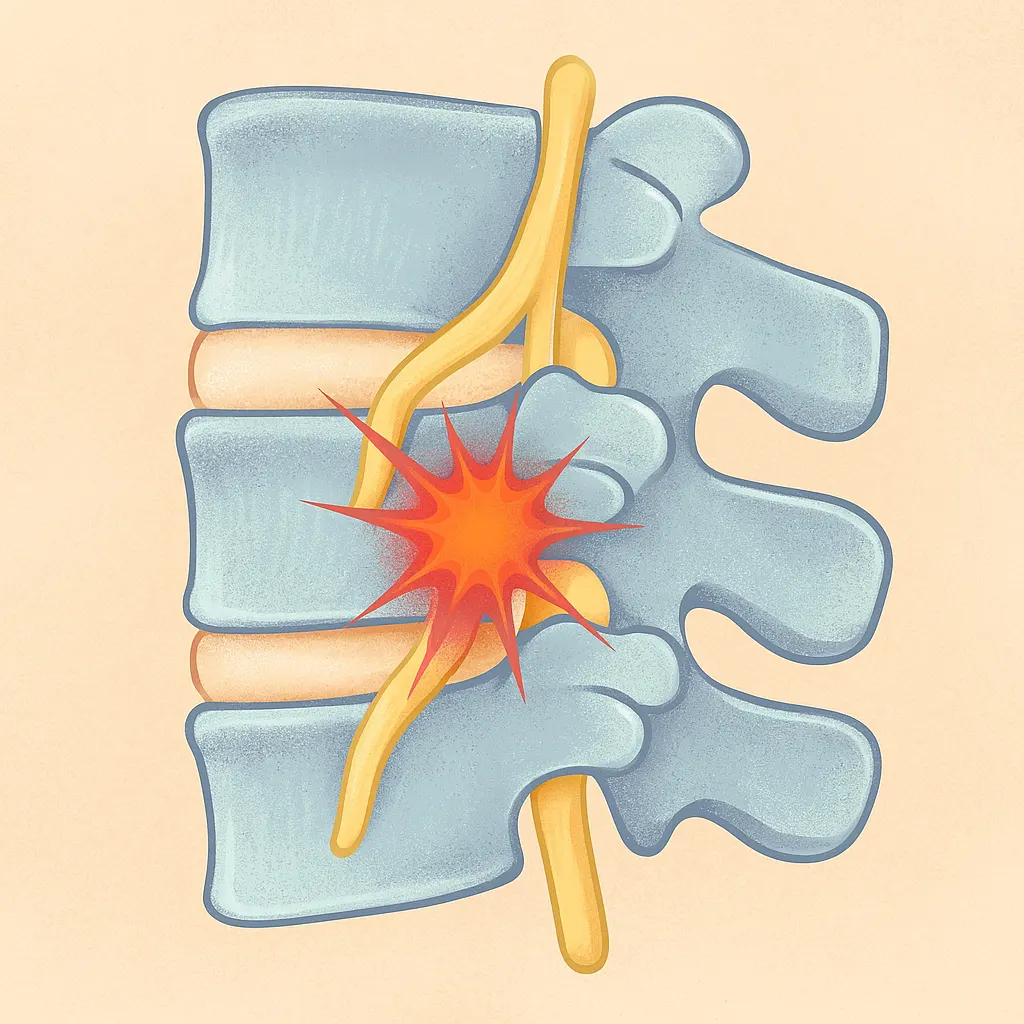
If you’ve ever experienced the sharp, radiating pain of a pinched nerve, you know how disruptive it can be to your daily life. A pinched nerve occurs when excessive pressure is applied to a nerve by surrounding tissues—whether bones, muscles, tendons, or cartilage—interfering with the nerve’s ability to function properly. This compression can result in pain, numbness, tingling, and weakness that affects everything from your ability to work to your sleep quality.
One of the most common questions people ask when dealing with nerve compression is: “How long will this take to heal?” The answer isn’t straightforward because healing time varies significantly based on several factors, including the severity of compression, the location of the affected nerve, your overall health, and how quickly you seek treatment.
According to the National Institute of Neurological Disorders and Stroke, most pinched nerves respond well to conservative treatment when addressed early. However, understanding what to expect during recovery and knowing the factors that influence healing time can help you make informed decisions about your care and set realistic expectations for your journey back to comfort.
In this comprehensive guide, we’ll explore typical healing timelines, factors that affect recovery, and practical steps you can take to support nerve healing and prevent future episodes.
Understanding Pinched Nerves
What Is a Pinched Nerve?
A pinched nerve, medically known as nerve compression, happens when surrounding tissues exert too much pressure on a nerve root. This pressure disrupts the nerve’s normal function, preventing it from properly transmitting signals between your brain and the rest of your body.
The compression can result from various causes:
- Herniated or bulging discs that push against nerve roots
- Bone spurs from arthritis narrowing the space where nerves travel
- Muscle inflammation or spasms squeezing nearby nerves
- Repetitive movements causing tissue swelling around nerves
- Poor posture creating sustained pressure on nerve pathways
- Injury or trauma directly damaging nerve tissue
Understanding the various causes of nerve compression helps in both treatment and prevention strategies.
Symptoms of a Pinched Nerve
Recognizing the symptoms of a pinched nerve is crucial for seeking timely treatment. Common signs include:
- Sharp, aching, or burning pain that radiates along the nerve pathway
- Numbness or reduced sensation in the affected area
- Tingling or “pins and needles” sensations that come and go
- Muscle weakness affecting your ability to grip, lift, or move
- Feeling that a limb has “fallen asleep” frequently
These symptoms of nerve compression can range from mild irritation to severe pain that significantly impacts daily activities. The Cleveland Clinic notes that symptoms often worsen with certain movements or positions that increase pressure on the affected nerve.
If you’re experiencing persistent tingling and numbness, it’s important not to ignore these warning signs, as early intervention typically leads to faster recovery.
Common Locations for Pinched Nerves
Pinched nerves can occur anywhere in your body, but certain locations are more susceptible due to anatomical factors and common stress patterns:
Cervical Spine (Neck)
- Causes pain, numbness, or tingling in the neck, shoulders, arms, or hands
- Often results from poor posture, text neck, or whiplash injuries
- May cause headaches and reduced range of motion
Lumbar Spine (Lower Back)
- Can lead to sciatica when the sciatic nerve is compressed
- Symptoms radiate down the buttocks, legs, and feet
- Common from lifting injuries, herniated discs, or prolonged sitting
Thoracic Spine (Mid-Back)
- Less common but can cause chest wall pain or radiating discomfort
- Often related to posture problems or trauma
Peripheral Nerves
- Carpal tunnel syndrome affects the median nerve in the wrist
- Ulnar nerve compression at the elbow causes numbness in ring and pinky fingers
- Meralgia paresthetica involves nerve compression in the hip/thigh area
Each location presents unique challenges and typical healing timelines. For comprehensive information about different nerve-related conditions, understanding your specific situation helps set appropriate recovery expectations.
Typical Healing Times for Pinched Nerves

Short-term vs Long-term Pinched Nerves
The duration of nerve compression significantly impacts healing time. Understanding the difference between acute and chronic cases helps set realistic recovery expectations.
Short-term (Acute) Pinched Nerves:
- Caused by temporary compression from awkward sleeping position, minor injury, or brief repetitive activity
- Symptoms typically resolve within days to a few weeks
- Respond well to rest, anti-inflammatory measures, and activity modification
- Full recovery is expected with appropriate care
Long-term (Chronic) Pinched Nerves:
- Result from sustained compression over weeks, months, or years
- May involve structural issues like bone spurs, herniated discs, or arthritis
- Healing can take several months and may require more intensive treatment
- Risk of permanent nerve damage increases the longer compression continues
According to the Johns Hopkins Medicine website, the key distinction is how quickly pressure is relieved from the affected nerve. Early intervention dramatically improves outcomes and reduces overall healing time.
Healing Time by Location
Recovery timelines vary based on where the nerve compression occurs, the severity of symptoms, and individual health factors:
Cervical Spine (Neck):
- Average healing time: 8-12 weeks
- Mild cases may improve in 2-4 weeks with conservative care
- More severe cervical radiculopathy can take 3-6 months
- Factors: degree of disc herniation, presence of bone spurs, adherence to treatment
Lumbar Spine (Lower Back):
- Average healing time: 1-12 weeks
- Simple muscle-related compression: 1-4 weeks
- Herniated disc with nerve root involvement: 6-12 weeks
- Sciatica cases vary widely based on cause and treatment approach
Shoulder and Extremities:
- Average healing time: 4-6 weeks
- Carpal tunnel syndrome may improve in 2-6 weeks with splinting and therapy
- Thoracic outlet syndrome can take 8-12 weeks
- Ulnar nerve compression typically resolves in 4-8 weeks
Hip and Leg:
- Average healing time: 4-8 weeks
- Meralgia paresthetica often improves in 4-6 weeks
- Piriformis syndrome may take 6-12 weeks depending on severity
The Mayo Clinic emphasizes that these are general guidelines, and individual experiences may vary significantly. Some people experience relief within days, while others require months of dedicated treatment.
Factors That Affect Healing Time
Several key factors influence how quickly a pinched nerve heals:
Severity of Compression:
- Mild compression typically heals faster than severe cases
- Degree of nerve damage determines recovery speed
- Complete nerve compression requires longer healing
Individual Health Status:
- Age affects tissue healing capacity and nerve regeneration
- Underlying conditions like diabetes slow nerve recovery
- Overall fitness and circulation impact healing speed
- Nutritional status supports or hinders nerve repair
Treatment Received:
- Early professional intervention accelerates recovery
- Appropriate therapy prevents complications
- Consistent treatment compliance improves outcomes
- Combination approaches often work better than single treatments
Lifestyle Factors:
- Smoking impairs circulation and slows healing
- Poor posture perpetuates nerve compression
- Stress increases muscle tension around nerves
- Sleep quality affects body’s repair mechanisms
Understanding these various causes and contributing factors helps you address issues that might be delaying your recovery.
When to See a Doctor
While many pinched nerves resolve with home care, certain symptoms warrant immediate professional evaluation:
Primary Risk Factors:
Seek prompt medical attention if you experience:
- Severe pain that doesn’t improve with rest and home treatment after 48-72 hours
- Progressive muscle weakness or loss of coordination
- Loss of bladder or bowel control (emergency situation)
- Numbness in the genital or anal region
- Symptoms in both arms or both legs simultaneously
- Pain accompanied by fever, suggesting possible infection
Schedule a consultation within a few days if:
- Symptoms persist beyond 2-3 weeks despite home care
- Pain significantly interferes with daily activities or sleep
- Numbness or tingling is worsening or spreading
- You’ve experienced recent trauma or injury
- Over-the-counter pain relief provides no benefit
Early professional assessment can prevent minor nerve compression from becoming a chronic, debilitating condition requiring extensive treatment. The sooner appropriate treatment begins, the better your chances of complete recovery without long-term complications.
How to Support Healing of a Pinched Nerve

Rest and Activity Modification
Finding the right balance between rest and movement is crucial for pinched nerve recovery. Complete immobilization can actually slow healing, while excessive activity can worsen compression.
Smart Rest Strategies:
- Avoid activities that triggered or worsen your symptoms
- Take frequent breaks from repetitive tasks every 20-30 minutes
- Use supportive positioning during rest (proper pillow height for neck issues, lumbar support for back)
- Limit activities requiring sustained positions (prolonged sitting, overhead reaching)
Beneficial Movement:
- Gentle walking promotes circulation without stressing the affected nerve
- Slow, controlled range-of-motion exercises prevent stiffness
- Swimming or water therapy provides low-impact movement
- Light stretching reduces muscle tension around the nerve
The key is listening to your body. If an activity increases pain, numbness, or tingling, stop and modify your approach. According to Harvard Health Publishing, gradual return to normal activities helps prevent re-injury while supporting healing.
Pain Relief and Anti-inflammatory Options
Managing pain and inflammation helps you stay comfortable while your nerve heals and allows you to participate in therapeutic activities.
Over-the-Counter Medications:
- NSAIDs (ibuprofen, naproxen) reduce inflammation and pain
- Acetaminophen helps with pain but doesn’t address inflammation
- Follow dosage instructions and consult a doctor if taking for more than 10 days
Ice and Heat Therapy:
- Ice (first 48-72 hours): Reduces acute inflammation, 15-20 minutes every 2-3 hours
- Heat (after initial phase): Relaxes muscles, increases blood flow, 15-20 minutes as needed
- Never apply ice or heat directly to skin; use a barrier cloth
Natural Anti-inflammatory Approaches:
- Omega-3 fatty acids from fish oil reduce systemic inflammation
- Turmeric and ginger have natural anti-inflammatory properties
- Adequate hydration supports tissue healing
- Anti-inflammatory diet reduces overall body inflammation
Always consult with a healthcare provider before starting new supplements, especially if you take other medications.
Physical Therapy and Exercises
Physical therapy plays a vital role in pinched nerve recovery by addressing both symptoms and underlying causes.
Therapeutic Benefits Include:
- Gentle stretches that reduce pressure on compressed nerves
- Strengthening exercises for supporting muscles
- Posture correction to prevent future compression
- Manual therapy techniques to improve tissue mobility
Common Therapeutic Exercises:
For Neck Pinched Nerves:
- Chin tucks to strengthen deep neck flexors
- Gentle neck rotations and side bends
- Shoulder blade squeezes to improve posture
- Upper back extension exercises
For Lower Back/Sciatica:
- Pelvic tilts to improve spinal mobility
- Knee-to-chest stretches for lower back relief
- Piriformis stretches to reduce sciatic nerve pressure
- Core strengthening for spinal support
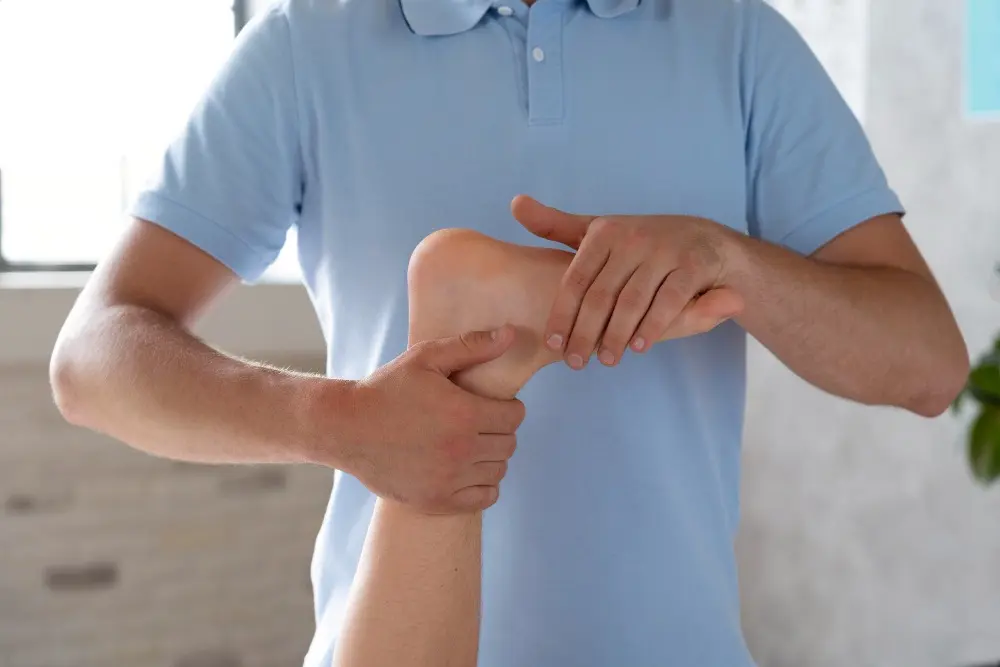
Poor posture is a significant contributor to nerve compression. Addressing postural imbalances and muscle weakness through targeted exercises prevents recurrence and supports healing. A physical therapist can design a personalized program based on your specific nerve compression location and severity.
Chiropractic and Alternative Treatments
Many people find significant relief from pinched nerves through chiropractic care and complementary therapies.
Chiropractic Treatment Benefits:
- Spinal adjustments restore proper alignment and reduce nerve pressure
- Soft tissue techniques release muscle tension compressing nerves
- Joint mobilization improves range of motion
- Postural assessments identify and correct contributing factors
Research shows that chiropractic care can be particularly effective for nerve compression stemming from spinal misalignment. Professional chiropractic treatment for pinched nerves addresses both immediate symptoms and underlying structural issues.
Additional Alternative Therapies:
- Acupuncture : May reduce pain and promote healing
- Massage therapy: Releases muscle tension and improves circulation
- Yoga: Gentle poses improve flexibility and posture
- Spinal decompression: Non-surgical approach for disc-related compression
The most effective treatment often involves a combination of approaches tailored to your specific situation. Always work with qualified professionals who can coordinate care and monitor your progress.
Potential Complications If Untreated
Risks of Chronic Compression
Ignoring a pinched nerve or delaying treatment can lead to serious, potentially permanent complications. Understanding these risks emphasizes the importance of timely intervention.
Permanent Nerve Damage:
- Prolonged compression can cause irreversible nerve injury
- Symptoms may become permanent rather than temporary
- Muscle weakness can progress to atrophy (muscle wasting)
- Chronic pain may develop even after compression is relieved
Progressive Complications:
- Loss of fine motor control (difficulty with buttons, writing, gripping)
- Reduced sensation leading to injury risk
- Muscle imbalances creating additional musculoskeletal problems
- Compensatory movement patterns affecting other body areas
Quality of Life Impact:
- Chronic pain interfering with sleep, work, and relationships
- Reduced independence due to weakness or numbness
- Increased risk of depression and anxiety
- Economic burden from ongoing medical care and lost productivity
The American Association of Neurological Surgeons warns that nerves have limited regenerative capacity. Once significant damage occurs, recovery becomes much more difficult, and some functions may never return.
How Early Treatment Prevents Long-Term Issues
Seeking prompt professional care for nerve compression offers significant advantages in preventing complications and achieving complete recovery.
Benefits of Early Intervention:
- Reduces inflammation before permanent nerve damage occurs
- Identifies and addresses root causes, not just symptoms
- Prevents compensatory patterns that create new problems
- Typically allows for less invasive treatment options
Diagnostic Advantages:
- Professional assessment determines exact compression location
- Imaging studies (X-rays, MRI) reveal structural issues requiring specific treatment
- Nerve conduction studies measure extent of damage
- Comprehensive evaluation identifies multiple contributing factors
Treatment Success Rates:
- Conservative treatment success is significantly higher when started early
- Shorter recovery times with appropriate early care
- Reduced likelihood of requiring surgical intervention
- Better long-term outcomes and lower recurrence rates
Understanding the full range of conditions that can develop from nerve compression motivates taking symptoms seriously from the start. What begins as occasional tingling can progress to debilitating pain and dysfunction if left unaddressed.
Lifestyle Changes to Prevent Recurrence
Improving Posture and Ergonomics
Poor posture is one of the most common contributors to pinched nerves, especially in our digital age. Making targeted improvements can significantly reduce your risk of recurrence.
Workstation Ergonomics:
- Position computer monitor at eye level, 20-30 inches from your face
- Keep keyboard and mouse at elbow height with shoulders relaxed
- Use a chair with proper lumbar support and adjustable height
- Keep feet flat on floor or on a footrest
- Take 5-minute breaks every 30-60 minutes to move and stretch
Daily Posture Habits:
- Practice chin tucks throughout the day to counter forward head posture
- Roll shoulders back and down to open chest
- Engage core muscles when sitting or standing
- Avoid crossing legs, which creates hip and spine imbalances
- Use proper lifting technique: bend knees, keep back straight, lift with legs
Sleep Positioning:
- Choose a pillow that maintains natural neck curve (not too high or flat)
- Side sleepers should place pillow between knees for hip alignment
- Avoid sleeping on your stomach, which strains neck
- Consider a supportive mattress that maintains spinal alignment
Chronic postural issues contribute to numerous health problems beyond nerve compression. Addressing poor posture creates lasting benefits for your overall musculoskeletal health.
Managing Stress and Mental Health
The mind-body connection plays a significant role in nerve health. Chronic stress creates muscle tension that can compress nerves and slow healing.
Stress Effects on Nerves:
- Persistent muscle tension in neck, shoulders, and back
- Shallow breathing reducing oxygen delivery to tissues
- Elevated cortisol impairing healing processes
- Poor sleep quality interfering with nerve repair
Stress Management Strategies:
- Practice deep breathing exercises (5-10 minutes daily)
- Incorporate mindfulness meditation or progressive muscle relaxation
- Regular exercise releases tension and improves mood
- Maintain social connections and seek support when needed
- Consider professional counseling for chronic stress or anxiety
Sleep Optimization:
- Establish consistent sleep schedule (7-9 hours nightly)
- Create dark, cool, quiet sleep environment
- Avoid screens 1-2 hours before bedtime
- Practice relaxation techniques before sleep
The relationship between mental health and physical symptoms is well-documented. Addressing psychological stress supports nerve healing and prevents tension-related compression.
Regular Exercise and Healthy Habits
Maintaining overall health through consistent exercise and positive lifestyle habits creates resilience against nerve compression.
Beneficial Exercise Types:
- Cardiovascular activity: Walking, swimming, cycling improve circulation
- Strength training: Builds supportive muscles around spine and joints
- Flexibility work: Yoga, stretching maintain tissue mobility
- Balance exercises: Tai chi, stability training improve proprioception
Exercise Guidelines:
- Aim for 150 minutes of moderate aerobic activity weekly
- Include strength training 2-3 times per week
- Start slowly and gradually increase intensity
- Listen to your body and modify activities that cause pain
Additional Healthy Habits:
- Maintain healthy weight: Reduces stress on spine and joints
- Stay hydrated: Supports disc health and tissue function
- Eat anti-inflammatory diet: Emphasize fruits, vegetables, omega-3 fatty acids
- Avoid smoking: Impairs circulation and tissue healing
- Limit alcohol: Excessive consumption affects nerve health
Preventive Self-Care:
- Stretch regularly, especially before and after physical activity
- Use proper technique during sports and exercise
- Vary repetitive tasks to prevent overuse
- Address minor aches before they become major problems
Creating sustainable healthy habits doesn’t require perfection—small, consistent improvements compound over time to significantly reduce your risk of future nerve compression episodes.
Conclusion
The question “How long does a pinched nerve take to heal?” doesn’t have a single answer because recovery timelines vary significantly based on numerous factors. Most people with mild to moderate nerve compression experience substantial improvement within 4-12 weeks with appropriate conservative care. However, more severe cases, chronic compression, or situations involving structural problems may require several months of dedicated treatment.
The most important factors influencing your healing time include the severity and duration of compression, the specific nerve affected, your overall health status, how quickly you seek treatment, and your consistency with recommended therapies. Early intervention dramatically improves outcomes—addressing symptoms within the first few weeks typically results in faster, more complete recovery compared to waiting until compression becomes chronic.