Spinal Compression and Stenosis Care in Cedar Park
Cedar Park’s Trusted Chiropractic Expert
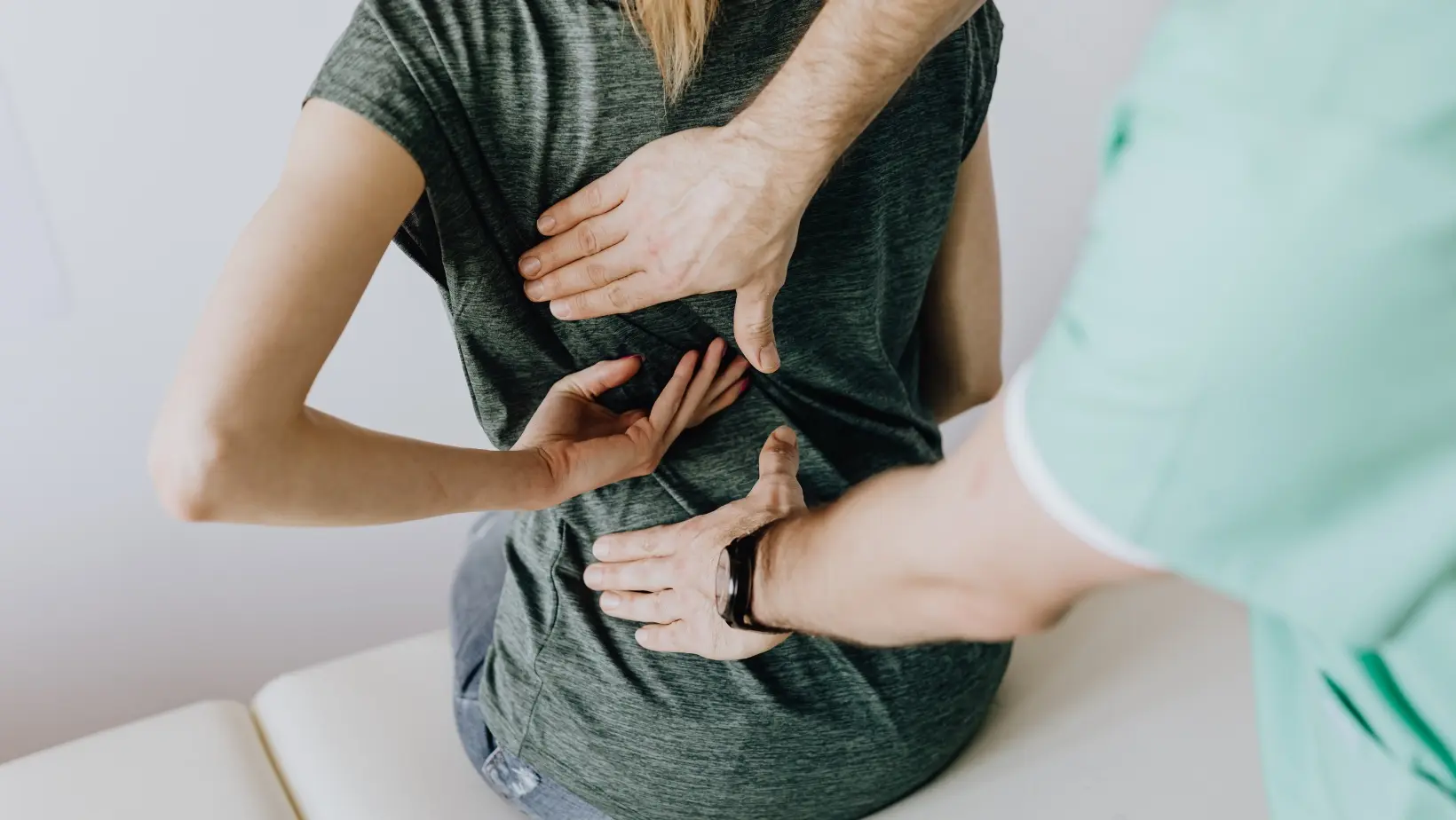
Spinal compression can cause debilitating pain, stiffness, and limited mobility that affects every aspect of your daily life. At Gateway to Wellness, we identify the source of compression and create a personalized, non-surgical treatment plan to help Cedar Park patients relieve pressure, restore movement, and live pain-free.
Spinal Compression and Stenosis Treatment in Cedar Park
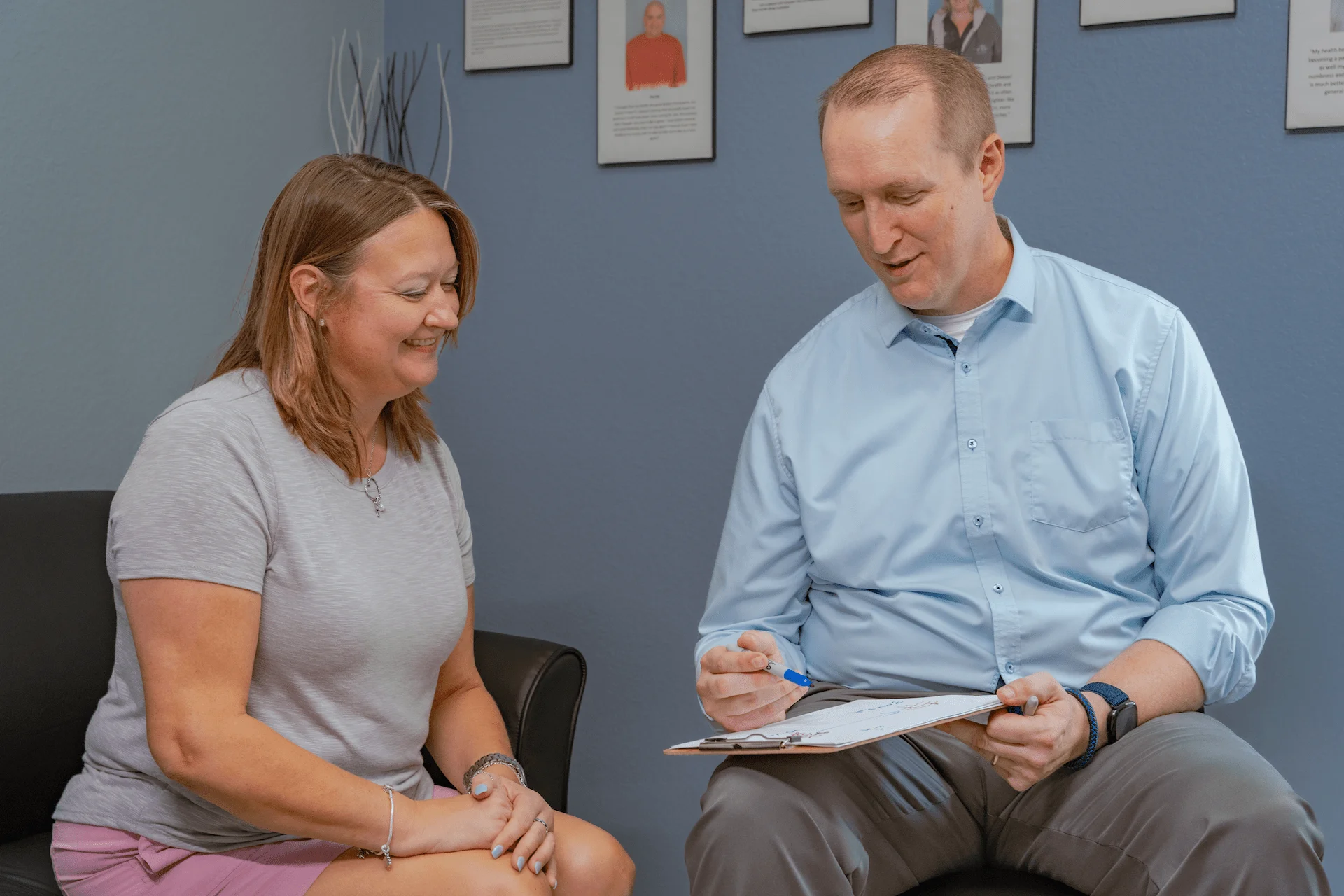
Spinal stenosis occurs when the spaces within your spine narrow, putting pressure on surrounding nerves and causing pain, numbness, and weakness that limits your mobility and quality of life. While it becomes more common with age, it doesn’t have to mean accepting a life of chronic pain and limitation.
At Gateway to Wellness, Dr. Jon Guymon specializes in non-surgical spinal compression treatment using advanced decompression techniques to create space for compressed nerves and promote natural healing, helping Cedar Park patients stay active and pain-free.
Understanding Spinal Compression and Stenosis
The spinal canal is the space through which your spinal cord and nerve roots travel. When this space narrows, it creates pressure on these vital structures, producing the pain, numbness, and weakness associated with spinal stenosis. Common types include central stenosis, foraminal stenosis, lateral recess stenosis, and lumbar or cervical stenosis each affecting different areas of the spine. The most common causes are age-related disc degeneration, thickened ligaments, bone spurs from arthritis, herniated discs, and vertebrae slipping out of position.
Recognizing Spinal Compression Symptoms
Symptoms develop gradually and vary depending on which part of the spine is affected. Lumbar stenosis typically causes lower back pain radiating into the buttocks and legs, leg numbness or weakness that worsens with walking, and cramping or heaviness during activity that improves when sitting or leaning forward. Cervical stenosis produces neck pain and stiffness, arm pain and weakness, hand clumsiness, and in severe cases balance problems or bladder dysfunction.
A characteristic sign of spinal stenosis is being able to walk more comfortably when leaning forward such as on a shopping cart compared to walking upright on level ground.
Spinal Decompression Therapy
Our spinal decompression treatments are designed to create space within compressed areas of the spine, relieving nerve pressure and promoting natural healing. Manual decompression uses gentle hands-on techniques to reduce pressure between vertebrae. Precise chiropractic adjustments restore proper alignment and mobility to restricted spinal segments. Flexion-distraction therapy gently stretches the spine with controlled movement to create space and reduce compression. We also teach postural decompression specific positions and exercises that naturally relieve pressure and provide ongoing symptom relief.
Comprehensive Stenosis Treatment Approach
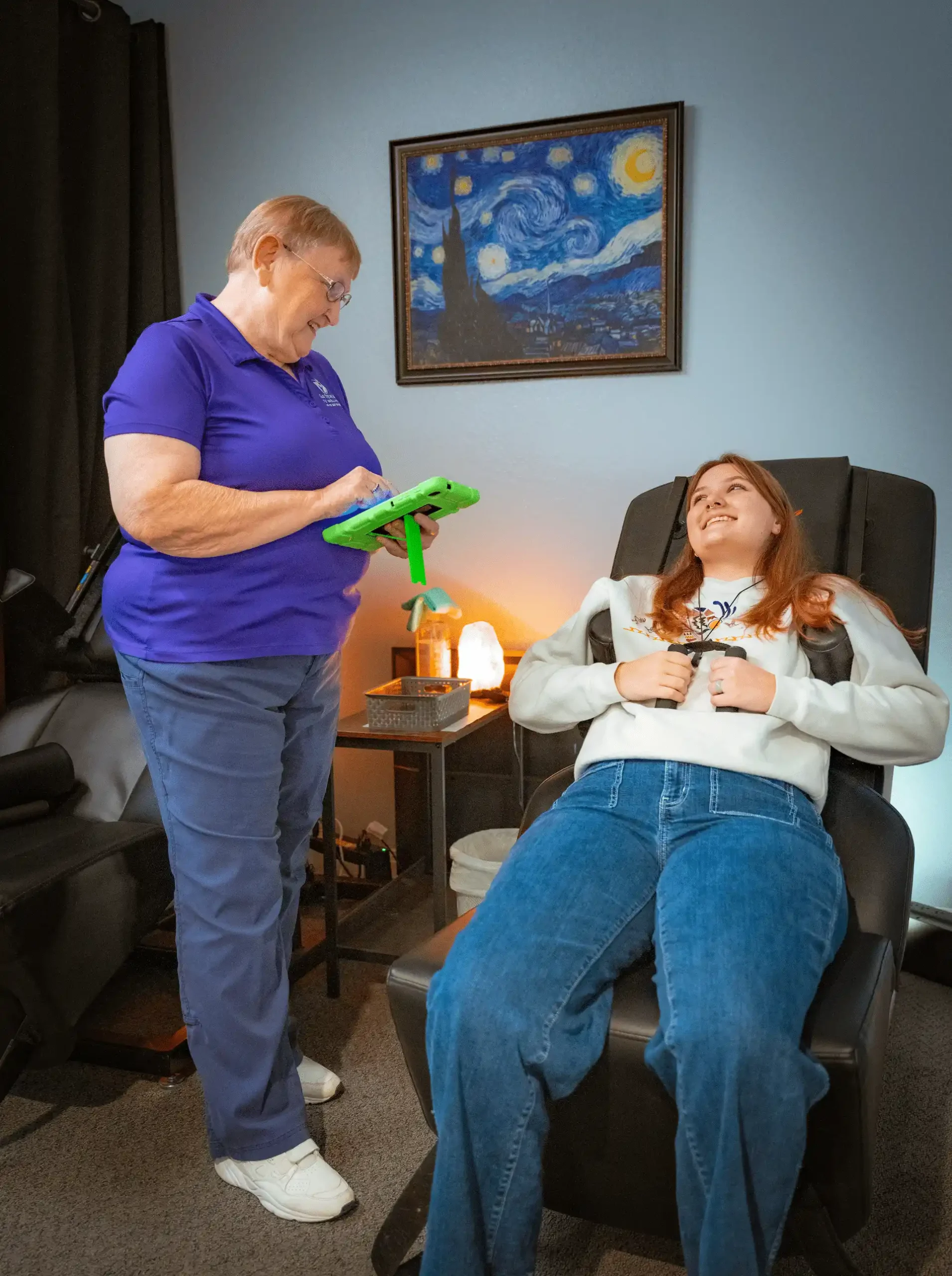
Our treatment goes beyond immediate symptom relief to address every factor contributing to spinal compression. Soft tissue therapy reduces muscle tension and inflammation around the spine. Corrective exercises strengthen core muscles and maintain the space created through decompression. Natural pain management techniques reduce discomfort without long-term medication reliance. Postural education and activity modification guidance help you manage symptoms and stay active while your spine heals.
Why Spinal Compression Develops
Spinal compression most commonly develops through the natural aging process as discs lose height, ligaments thicken, and bone spurs form over time. Degenerative arthritis accelerates this narrowing by causing joint thickening around the spinal canal. Previous injuries, even well-treated ones, can lead to degenerative changes that eventually result in stenosis. Genetic factors play a role too, as some people are born with naturally smaller spinal canals. Lifestyle contributors including poor posture, lack of exercise, prolonged sitting, heavy lifting, and repetitive bending can all accelerate the degenerative process significantly.
Benefits of Non-Surgical Spinal Treatment
Choosing conservative care over surgery eliminates the risks of infection, scarring, and surgical complications while preserving natural spinal mobility. Recovery time is minimal compared to surgical procedures that can require months of rehabilitation. Our comprehensive approach is also far more cost-effective and addresses not just the stenosis itself but the contributing factors muscle imbalances, postural problems, and lifestyle habits that drive the condition forward. Most importantly, our treatments work with your body’s natural healing processes rather than against them.
Frequently Asked Questions About Spinal Compression Treatment
How serious is spinal cord compression?
How to cure spinal nerve compression?
Can you walk with spinal cord compression?
How does cord compression happen?
Take the First Step Toward Spinal Relief
Don’t let spinal compression rob you of the active lifestyle you love. While stenosis can be progressive, the right treatment can significantly slow that progression and provide meaningful relief helping you maintain mobility and independence without surgery.