Pinched Nerve Treatment in Cedar Park TX

Cedar Park’s Trusted Chiropractic Expert

A pinched nerve can cause sharp pain, tingling, and weakness that makes even simple daily tasks feel impossible. At Gateway to Wellness, we identify the source of nerve compression and build a personalized, non-surgical treatment plan to help Cedar Park patients find lasting relief and restore normal function.

Pinched Nerve Relief in Cedar Park

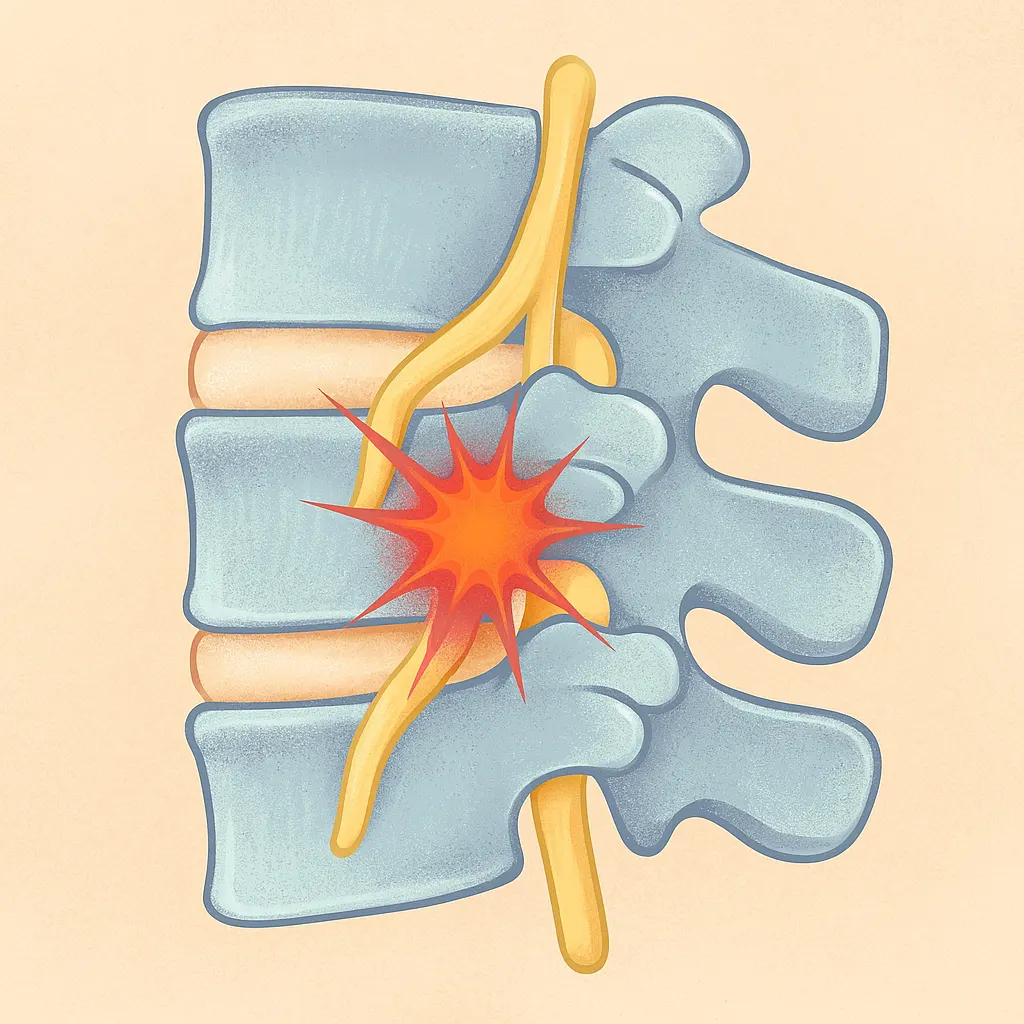
A pinched nerve occurs when surrounding tissues bones, muscles, tendons, or cartilage compress a nerve, disrupting its function and causing pain, numbness, and weakness that can radiate throughout the body.

At Gateway to Wellness, Dr. Jon Guymon specializes in identifying and treating the root cause of nerve compression through gentle, non-invasive chiropractic care. From poor posture to muscle imbalances, we address the structural drivers that most commonly contribute to pinched nerves helping Cedar Park patients find lasting relief without surgery or long-term medication.

Close-up of a white anatomical model of the human cervical and thoracic spine, showing vertebrae, yellow nerves, and red arteries. Another blurry spinal model is in the background.
A man and a woman sitting, with the man holding a clipboard and pen, while the woman smiles at him.

Understanding Pinched Nerves and Nerve Compression

Nerve compression occurs when excessive pressure from surrounding tissues interferes with a nerve’s ability to carry signals between your brain and body. Common types include cervical radiculopathy pinched nerves in the neck causing arm and hand symptoms lumbar radiculopathy affecting the legs and feet, carpal tunnel syndrome from median nerve compression at the wrist, and thoracic outlet syndrome between the neck and shoulder. The location of your symptoms often helps identify exactly which nerve is affected and where compression is occurring.

Recognizing Pinched Nerve Symptoms

Symptoms vary depending on which nerve is compressed and how severely. Common presentations include sharp, shooting, or burning pain radiating along the nerve pathway, numbness and tingling in the affected area, muscle weakness, and pins and needles sensations that come and go. Cervical pinched nerves typically cause neck pain radiating into the shoulder, arm, and hand. Lumbar pinched nerves produce lower back pain radiating into the buttock, leg, and sometimes the foot.

If symptoms persist for more than a few days, progressively worsen, or significantly limit daily activities, professional evaluation is essential to prevent permanent nerve damage.

Our Approach to Nerve Compression Relief

At Gateway to Wellness, we focus on identifying and addressing the underlying causes of nerve compression rather than simply masking symptoms. Precise chiropractic adjustments restore proper spinal alignment and reduce pressure on compressed nerve roots, often providing immediate relief while supporting long-term healing. Soft tissue therapy and myofascial release address the muscle tension and inflammation contributing to compression, while gentle joint mobilization improves mobility in areas where nerves travel through tight spaces. Specialized decompression techniques create additional space around compressed nerves, allowing them to heal and function properly.

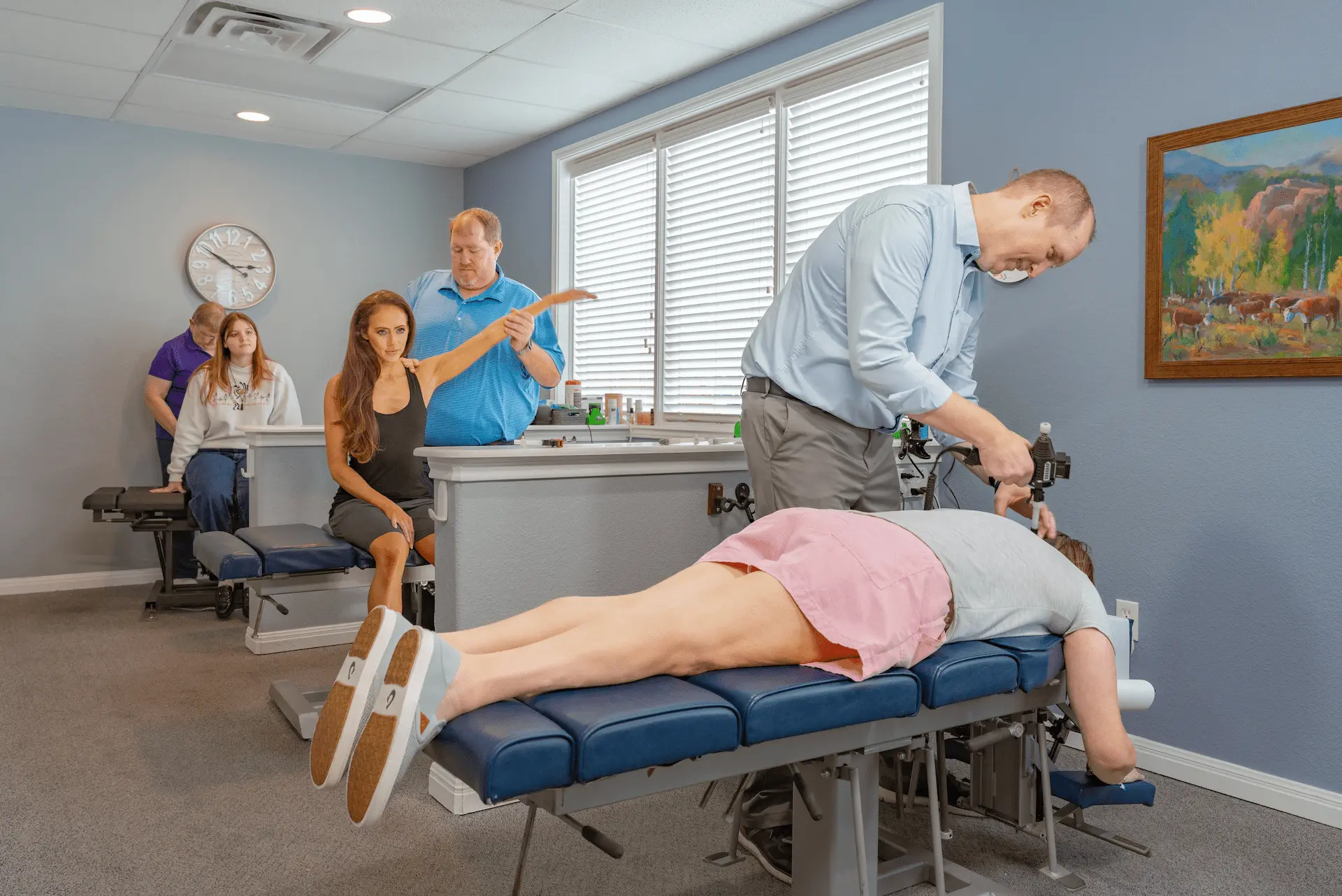
A chiropractic clinic with several patients and practitioners. In the foreground, a woman lies face down on a blue table while a male chiropractor uses an adjustment tool on her back. Other patients are seated, receiving assessments or adjustments from other practitioners.

Personalized Treatment Plans

Every case of nerve compression is unique. Your personalized plan may include hands-on manual therapy to reduce tissue restrictions and inflammation, corrective exercises to strengthen supporting muscles and improve posture, ergonomic education to prevent workplace contributors to nerve compression, postural correction addressing imbalances that drive neck and upper extremity problems, and activity modification guidance to protect healing nerves between visits.

Treatment Benefits and Recovery

Professional treatment for pinched nerves offers significant advantages over waiting it out or relying on pain medication. Targeted chiropractic care provides faster symptom relief, prevents temporary compression from becoming permanent nerve damage, and addresses the root causes driving the problem. Many cases that might otherwise require surgery respond well to conservative care restoring normal nerve function, strength, and sensation and allowing you to return to work, sports, and daily life without limitation.

Specific Nerve Conditions We Treat

Our experience covers a wide range of nerve compression conditions including cervical pinched nerves causing arm and hand symptoms, lumbar pinched nerves producing leg pain and sciatica-like symptoms, peripheral nerve entrapment such as carpal tunnel and cubital tunnel syndrome, radiculopathy where nerve roots are compressed as they exit the spine, and thoracic outlet syndrome affecting the nerves between the neck and shoulder.

Nerve Relief Blog Posts

Frequently Asked Questions About Pinched Nerve Treatment

How to get a pinched nerve to release?

A pinched nerve can be relieved through gentle, non-invasive chiropractic techniques that address the root cause of the compression. Early intervention is crucial. Treatment may include spinal adjustments, physical therapy, stretching, and lifestyle modifications to reduce pressure on the nerve.

What does a pinched nerve feel like?

A pinched nerve often causes intense pain, numbness, tingling, and weakness radiating along the path of the nerve. This can make everyday activities difficult and uncomfortable, with sensations ranging from sharp pain to a burning or electric shock feeling.

How long does it take for a pinched nerve to heal?

Healing times vary depending on severity and treatment but early care increases the chances of full recovery. If treated promptly, many patients experience relief within weeks to a few months, while untreated nerve compression may worsen, leading to prolonged symptoms or permanent damage.

What can be mistaken for a pinched nerve?

Symptoms similar to a pinched nerve can be mistaken for conditions such as muscle strain, arthritis, sciatica, or other nerve-related disorders. Accurate diagnosis by a healthcare professional is important to ensure proper treatment.


Take the First Step Toward Nerve Relief

Don’t let a pinched nerve worsen over time. Nerve compression that goes untreated can lead to permanent damage and chronic symptoms early intervention is the key to full recovery. At Gateway to Wellness, we’re here to help Cedar Park patients restore normal nerve function and eliminate pain through gentle, effective, non-surgical care.