Pickleball elbow, knee pain, and ankle soreness usually come from the same root issue: repetitive stress on joints that aren’t moving or absorbing shock the way they should. Each one has its own specific cause, but they all tend to show up after weeks or months of regular play, not just one bad game. Understanding what’s actually happening in your body is the first step to fixing it instead of just managing it.
Pickleball Elbow: The Newer Cousin of Tennis Elbow
If your outer elbow aches every time you hit a backhand or grip your paddle, you’re likely dealing with what’s commonly called pickleball elbow. It’s essentially the same mechanism as tennis elbow, a condition where the tendons connecting your forearm muscles to your elbow become irritated from repeated strain.
The paddle’s shorter length and stiffer face than a tennis racket can actually transmit more shock straight into your elbow with every hit. Combine that with the high volume of shots in a typical game, and it’s easy to see why this shows up so often.
Most players try to push through it, which usually makes things worse. The tendon needs an actual chance to heal, along with correction of whatever movement pattern is overloading it in the first place.
Knee Pain: The Pivot Problem
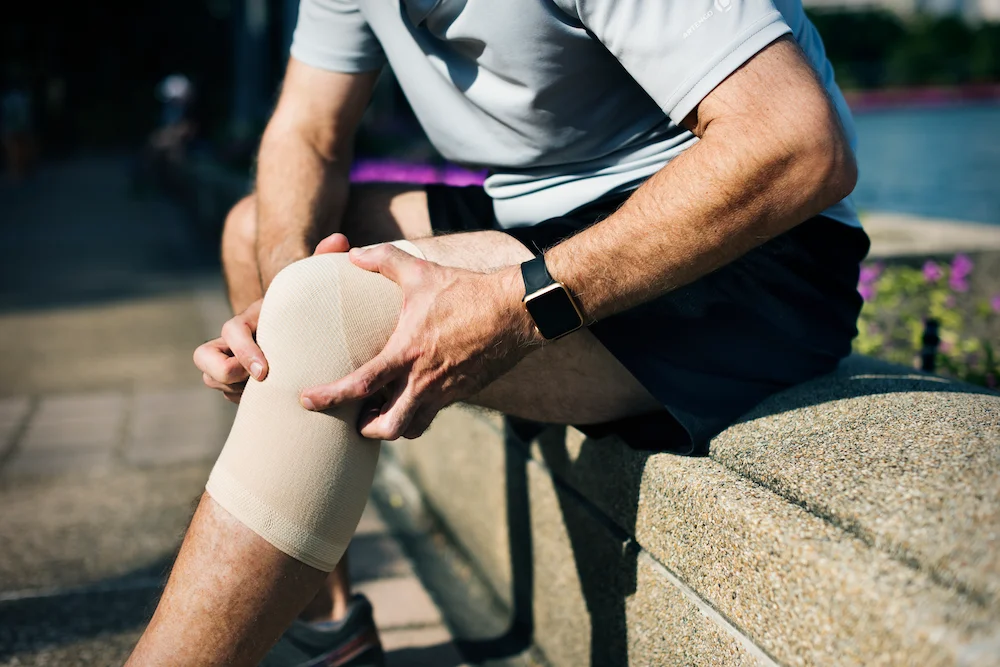
Pickleball knee pain almost always traces back to the sport’s constant pivoting and lateral movement. Your knee is built to bend and straighten well. It’s not built to handle repeated rotational stress, especially if your hip and ankle mobility aren’t keeping up their end of the deal.
When your hips or ankles are stiff, your knees end up absorbing motion they weren’t designed for. Over time, this creates the nagging ache many players describe as “just part of getting older,” when really it’s a mechanical issue that can be addressed. We cover more on this in our knee pain page if you want to understand the fuller picture.
Ankle Soreness: The Overlooked Joint
Ankles don’t get talked about as much as knees or elbows, but they take a beating in pickleball. Every quick stop and change of direction asks your ankle to stabilize your entire body weight in a split second. If you’ve rolled an ankle before, even years ago, that joint may still be slightly less stable than the other one, which puts more strain on everything above it, including your knee and hip.
Weak or unstable ankles are a common, and often missed, source of pain in sports injuries we see in our Cedar Park practice.
Why These Three Problems Are Actually Connected
Here’s the thing. Your elbow, knee, and ankle don’t operate in isolation. Your body works as one connected system, and a limitation in one area often shows up as pain somewhere else entirely.
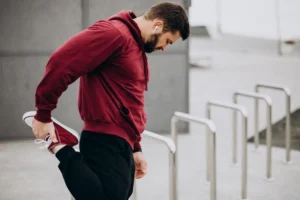
A tight hip can force your knee to compensate. A stiff ankle can change how you load your knee on a pivot. Even your grip and swing mechanics can be influenced by tension higher up in your shoulder or neck. This is exactly the kind of body compensation we look at during an evaluation, because treating the symptom without addressing the actual cause tends to bring the pain right back.
What Actually Helps
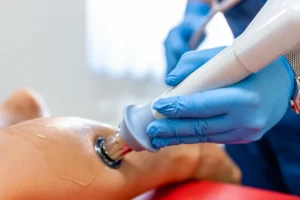
The good news is that most of these issues respond well to the right kind of care. A thorough assessment can identify which joints are moving well, which ones aren’t, and how that imbalance is affecting your game and your pain levels.
Through our sports performance and rehabilitation program, we work to restore proper movement patterns so your elbow, knee, and ankle can each do their job without overcompensating for one another. In many cases, players notice improvement within just a few visits, especially when they catch the issue early instead of waiting until it’s chronic.
I always tell my patients that pain during or after pickleball isn’t something you just have to accept as part of playing. It’s information. Your body is telling you something isn’t moving the way it should, and that’s usually fixable.
Ready to Get Back on the Court Pain Free?
If pickleball elbow, knee pain, or ankle soreness has been slowing you down, don’t wait for it to get worse. Call Gateway to Wellness in Cedar Park at (512) 250-2224 or book your appointment online. We’ll help you figure out what’s really going on and get you back to playing the way you love.