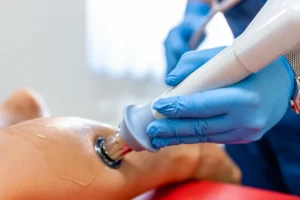
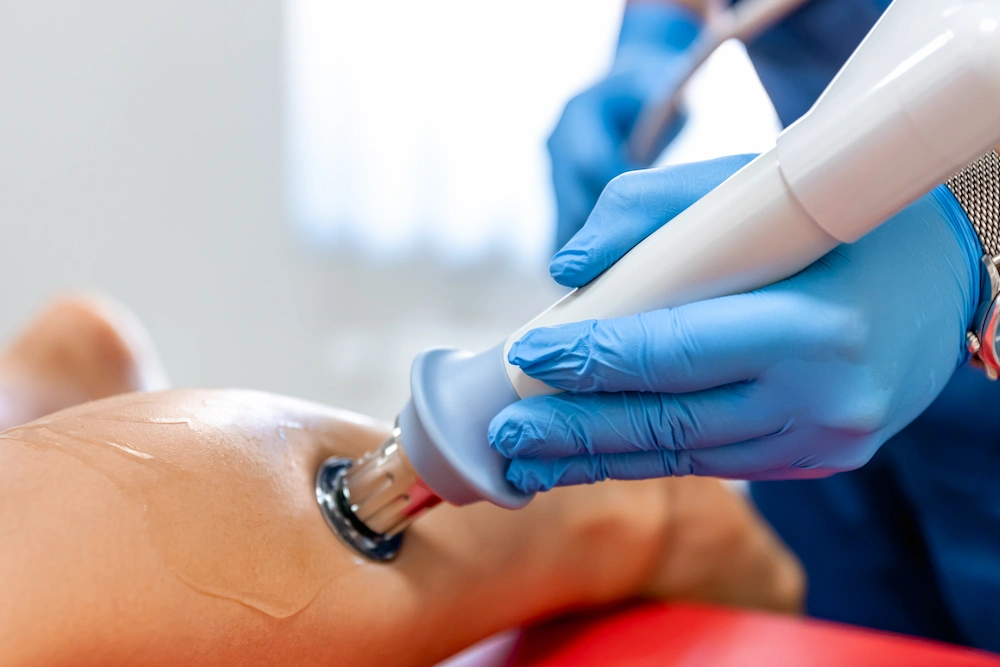
Shockwave therapy uses focused sound wave pulses to stimulate healing in injured tendons and soft tissue, which makes it especially effective for the kind of overuse injuries pickleball players deal with. It’s non-invasive, doesn’t require any downtime for surgery, and can speed up recovery from stubborn issues like pickleball elbow or heel pain that haven’t responded well to rest alone. For players who don’t want to sit out the season, it’s often a game changer.
Why Pickleball Injuries Can Be So Stubborn
A lot of pickleball injuries fall into a frustrating category: not serious enough to require surgery, but persistent enough that rest and ice alone don’t fully resolve them. Tendon issues like pickleball elbow are a good example. Tendons have relatively poor blood supply compared to muscle, which means they naturally heal slower and often need extra help to fully recover.
Players in this situation frequently end up in a frustrating cycle. They rest, feel a little better, go back to playing, and the pain returns almost immediately. This is where shockwave therapy can make a real difference.
How PiezoWave Actually Works
Our PiezoWave shockwave therapy delivers focused acoustic pulses directly to the injured tissue. Those pulses trigger a cascade of healing responses in the body, including increased blood flow to the area and stimulation of your body’s natural repair processes.
Think of it as giving a stalled healing process the jump start it needs. Instead of a tendon sitting in the same irritated state for months, shockwave therapy encourages the tissue to actually rebuild and repair.
Common Pickleball Injuries That Respond Well
Pickleball elbow. The repetitive strain on the forearm tendons that causes pickleball elbow responds particularly well to shockwave therapy, since the treatment targets exactly the type of chronic tendon irritation involved.
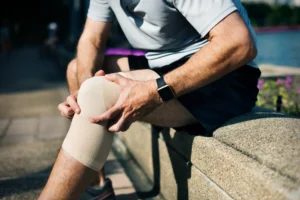
Knee pain. For players dealing with tendon-related knee pain from repeated pivoting, shockwave therapy can help address the irritated tissue directly rather than just masking discomfort.
Heel and foot pain. The quick stops and lateral movement in pickleball put real stress on the plantar fascia in your foot. Shockwave therapy is one of the most effective non-surgical treatments available for this kind of stubborn heel pain.
What to Expect During Treatment
Sessions are quick, typically 10 to 15 minutes, and don’t require any anesthesia or recovery time. Most players feel some pressure or mild discomfort during treatment, but it’s well tolerated and you can generally return to normal activity the same day.
Most people notice improvement over a series of sessions rather than after just one, since the treatment is working to stimulate an actual healing response in the tissue, not just numbing pain temporarily. That’s an important distinction. This isn’t about masking symptoms so you can push through more games. It’s about giving your body what it needs to genuinely heal.
Why We Combine Shockwave with Chiropractic Care
Shockwave therapy addresses the injured tissue itself, but it works best as part of a broader plan. If a pivot pattern or hip imbalance is what caused the tendon irritation in the first place, treating the tendon alone without correcting the underlying mechanics tends to bring the same problem back eventually.
That’s why we typically pair shockwave therapy with an assessment of how you’re actually moving on the court. Our sports performance and rehabilitation approach looks at the whole picture, not just the sore spot, so you’re not just healing the injury but also reducing your risk of it coming right back.
Don’t Let a Nagging Injury Sideline Your Season
If pickleball elbow, knee pain, or heel pain has been hanging around longer than it should, shockwave therapy might be exactly what your recovery has been missing. Call Gateway to Wellness in Cedar Park at (512) 250-2224 or schedule a consultation online to find out if it’s right for you.