Adult scoliosis is more common than most people realize, and unlike the scoliosis that shows up in adolescence, it often develops later in life as the spine changes with age. A curve can appear or worsen in your 50s, 60s, or beyond, sometimes in people who never had scoliosis as a child. The good news is that it can be managed, and understanding why it happens is the first step.
Let me explain what adult scoliosis actually is, why it develops, and what your options are for staying comfortable and mobile.
What Adult Scoliosis Actually Is
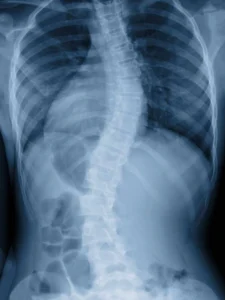
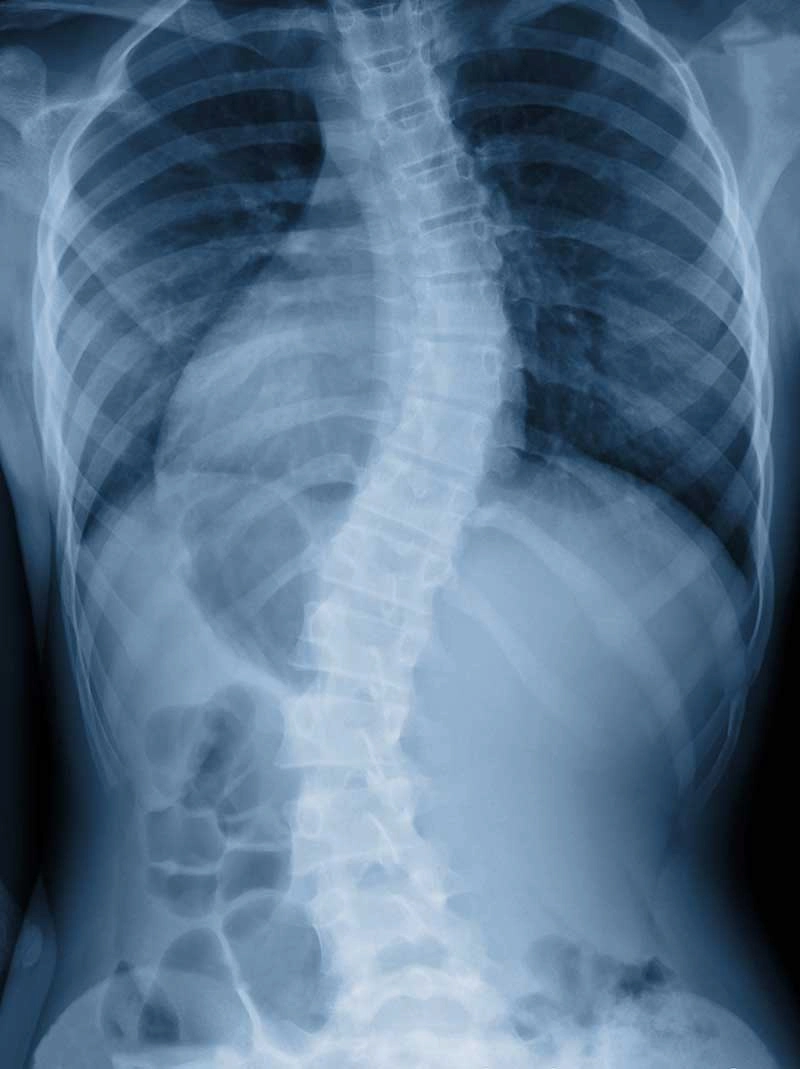
Scoliosis is a sideways curvature of the spine. Most people associate it with the screenings they had in school, and that childhood form does exist. But adult scoliosis is a distinct situation, and it breaks down into two main types.
The first is adult idiopathic scoliosis. This is scoliosis that started in adolescence, was often mild or undetected, and has gradually progressed into adulthood. The curve was there for years, quietly, and age-related changes eventually made it more pronounced and symptomatic.
The second, and increasingly common type, is degenerative scoliosis, sometimes called de novo scoliosis. This one develops fresh in adulthood, in a spine that was previously straight, as a direct result of the wear-and-tear changes that come with aging.
Why the Spine Curves With Age
Degenerative adult scoliosis comes down to the gradual, uneven breakdown of the structures that keep your spine aligned. As we age, several things happen at once.
The discs between your vertebrae lose height and hydration over time. When this thinning happens unevenly, with one side of a disc collapsing more than the other, it creates a tilt. Stack several tilted segments on top of each other and you get a sideways curve.
The facet joints, which guide the movement of each spinal segment, develop arthritis and wear asymmetrically. The ligaments and muscles that support the spine weaken and lose their ability to hold everything in balanced alignment. And once a curve begins, gravity and everyday load tend to gradually worsen it, because the spine is no longer distributing weight evenly.
This is why age-related spinal changes are the primary driver of new-onset scoliosis in older adults. It’s not something you did wrong. It’s the cumulative result of decades of use combined with the natural aging of the spine’s structures.
The Symptoms That Bring People In
Adult scoliosis often produces different symptoms than the adolescent form. Teenagers with scoliosis usually don’t have pain, the curve is mostly a cosmetic and structural concern. Adults, on the other hand, frequently come in because of discomfort.
The most common complaints I hear in my Cedar Park practice include lower back pain and stiffness, which is often the first thing people notice. There’s also a feeling of fatigue in the back, especially after standing or walking for a while, because the muscles are working overtime to hold an unbalanced spine upright.
Some people notice visible changes, like uneven shoulders, a hip that sits higher on one side, or a sense that they’re leaning to one side. Others develop leg pain, numbness, or tingling when the curve narrows the spaces where nerves exit the spine and begins compressing them.
The degree of the curve doesn’t always match the degree of symptoms. I’ve seen significant curves with minimal pain and modest curves causing real discomfort. It depends heavily on how the curve is affecting the surrounding nerves and muscles.
Can Anything Be Done About Adult Scoliosis?
This is the question every patient asks, and I want to be honest about it. You can’t reverse a structural spinal curve without surgery, and surgery is reserved for severe, progressive cases with significant nerve involvement or disability. For the majority of adults with scoliosis, that’s not necessary or advisable.
What you can do, and what makes a real difference in quality of life, is manage the condition. The goal is reducing pain, maintaining mobility, slowing progression where possible, and keeping you active and comfortable. That’s a very achievable set of goals for most people.
Conservative care focuses on the things that actually influence how scoliosis affects you day to day: keeping the spine as mobile as possible, reducing the muscle tension and joint restriction that build up around the curve, and supporting the structures that are working hard to hold you upright.
How Chiropractic Care Helps
Chiropractic care for adult scoliosis isn’t about straightening the curve. It’s about improving how your spine functions within the curve it has, which is what determines your comfort and mobility.
When you have scoliosis, the joints along the curve tend to become restricted, and the muscles on one side are chronically overstretched while the other side is chronically tight. This imbalance creates much of the pain and stiffness. Our chiropractic care works to restore movement to the restricted segments, reduce the muscular imbalance, and take pressure off irritated nerves.
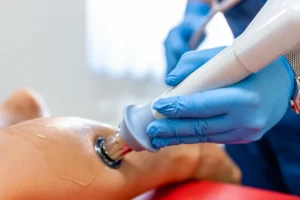
For adults with scoliosis, I use gentle, carefully chosen techniques, often instrument-based adjustments that allow for precision without stressing an already-compromised spine. The approach is always tailored to the individual curve and the individual person, because no two scoliotic spines are quite the same.
Many of my scoliosis patients in Cedar Park find that regular care meaningfully reduces their pain, improves how freely they move, and helps them stay active in ways that were becoming difficult. It doesn’t change the X-ray dramatically, but it changes how they feel and function, which is what matters.
Staying Ahead of Progression
One of the most valuable things about addressing adult scoliosis proactively is the potential to slow its progression. A curve that’s supported by strong, balanced muscles and a spine that’s kept mobile tends to progress more slowly than one that’s left to deteriorate while the surrounding structures weaken and tighten.
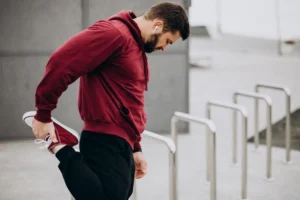
This is where staying active, maintaining core and back strength, and keeping the spine moving well all come together. Combined with chiropractic care that addresses the joint and muscle dysfunction, this gives you the best chance of keeping the curve from worsening quickly and keeping yourself comfortable for the long haul.
When to Get Assessed
If you’ve noticed back pain that’s become a regular feature, a sense that your posture is changing, uneven shoulders or hips, or leg symptoms alongside back discomfort, it’s worth getting your spine properly evaluated. Early assessment means we can put a management plan in place before the curve and its symptoms become more entrenched.
A thorough evaluation with X-rays tells us exactly what’s happening, how significant the curve is, and what approach makes the most sense for your specific situation.
If you’re dealing with adult scoliosis, or you suspect your spine might be curving as you age, we can help you stay comfortable and mobile in Cedar Park, Leander, and North Austin. Contact Gateway to Wellness or call (512) 250-2224 to schedule your evaluation.