Pickleball injuries happen because the sport asks your body to sprint, stop, pivot, and lunge in ways most joints simply aren’t used to. The quick direction changes put sudden stress on your knees, hips, shoulders, and lower back, and that stress adds up fast if your body isn’t prepared for it. At Gateway to Wellness in Cedar Park, we’ve started seeing more pickleball players walk through our doors than ever before, and there’s a reason for that.
The Sport Everyone Underestimates
Pickleball looks easy. The court is small, the ball is light, and the pace seems relaxed compared to tennis. That’s exactly why so many players get hurt.
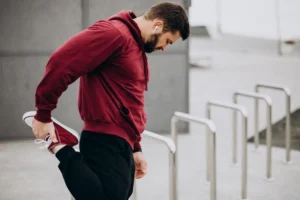
Underneath the casual vibe, pickleball demands short, explosive bursts of movement. You’re sprinting to the kitchen line, then stopping on a dime. You’re lunging sideways for a low shot, then pivoting back the other direction almost instantly. Your body doesn’t get the same gradual warm-up rhythm you’d get from jogging or cycling. It goes from standing still to full effort in a split second, over and over, for an hour or more.
That stop-start pattern is hard on connective tissue. Tendons and ligaments don’t love sudden loading, especially if they haven’t been conditioned for it.
Where Pickleball Players Get Hurt Most
In my time treating sports injuries here in Cedar Park, a few patterns show up again and again with pickleball players.
Knees. The pivoting and lateral lunging put a lot of rotational stress on the knee joint. Players often describe a dull ache after playing that turns into sharper pain with repeated games. If this sounds familiar, our page on knee pain covers some of the underlying causes we see most often.
Shoulders and elbows. The repetitive overhead and side-arm motion of dinking and driving the ball can inflame tendons around the elbow and shoulder, similar to what tennis players experience.
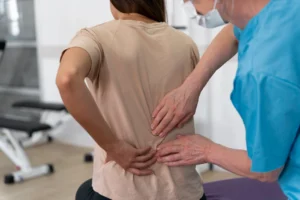
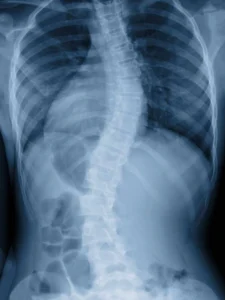
Lower back and hips. Quick pivots twist the spine and hips in ways that catch weak or imbalanced muscles off guard. This is especially true for players who spend most of their week sitting at a desk and then go all out on the court over the weekend.
None of this means pickleball is a bad sport. It just means your body needs a little extra support to handle it well.
Why “Weekend Warrior” Syndrome Makes It Worse
Many of the pickleball players we see in Cedar Park aren’t full-time athletes. They’re professionals, parents, and retirees who play a few times a week for fun and exercise. That’s a great thing. But it also means their bodies often go from mostly sedentary to suddenly athletic without much of a transition period.
Add in a previous injury or two that never fully healed, or years of accumulated postural habits from sitting at a computer, and you’ve got a body that’s compensating in ways it doesn’t even realize. Those compensations tend to surface exactly when you ask your body to do something demanding, like chasing down a drop shot.
How Chiropractic Care Helps Pickleball Players
This is where root cause treatment matters. Rather than just icing a sore knee and hoping it calms down, we look at how your whole body is moving. Is one hip more restricted than the other? Is your ankle mobility limiting how you pivot? Are old injuries from years ago quietly shifting how you load your joints today?
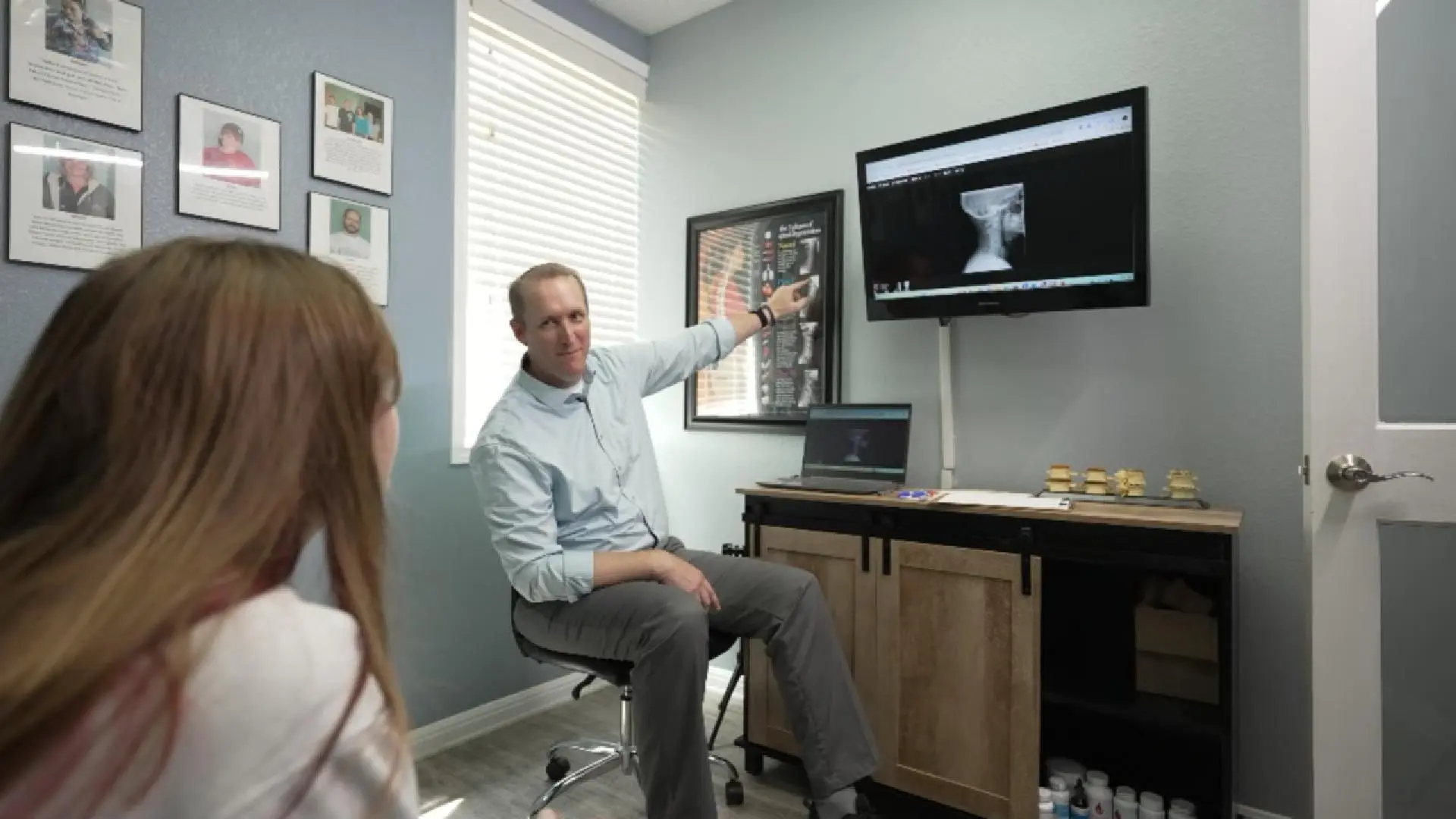
Our sports performance and rehabilitation care is built for exactly this kind of situation. We assess how your body actually moves, not just where it hurts, and build a plan to correct the imbalances that are putting you at risk. For a lot of players, that means better range of motion, less nagging pain, and the ability to play longer without paying for it the next day.
I’ve found that most pickleball injuries respond well to this kind of targeted care, especially when players come in before things get serious rather than after they’ve been limping around for weeks.
Staying in the Game Long Term
Pickleball has exploded in popularity around Cedar Park and Leander, and honestly, that’s a great thing for people’s health and social lives. The goal isn’t to scare anyone away from the sport. It’s to help players understand that a little proactive care goes a long way toward staying on the court instead of sitting on the sidelines.
If your knees, shoulders, or back have been talking to you after your last few games, don’t wait for it to turn into something bigger. Call Gateway to Wellness at (512) 250-2224 or schedule a visit online. We’ll help you get back to what you love, pickleball included.