PiezoWave therapy uses focused acoustic sound waves to reach deep into injured tissue and jumpstart your body’s own healing response. It’s a non-invasive treatment that’s especially useful for stubborn injuries and chronic pain that haven’t responded to other approaches. The technology sounds futuristic, but the way it works is grounded in solid science.
Let me explain what PiezoWave therapy actually does, how it heals tissue, and why we use it at Gateway to Wellness for the kinds of problems that tend to get stuck.
What PiezoWave Therapy Is
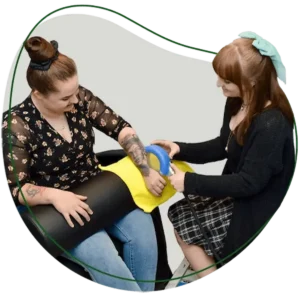
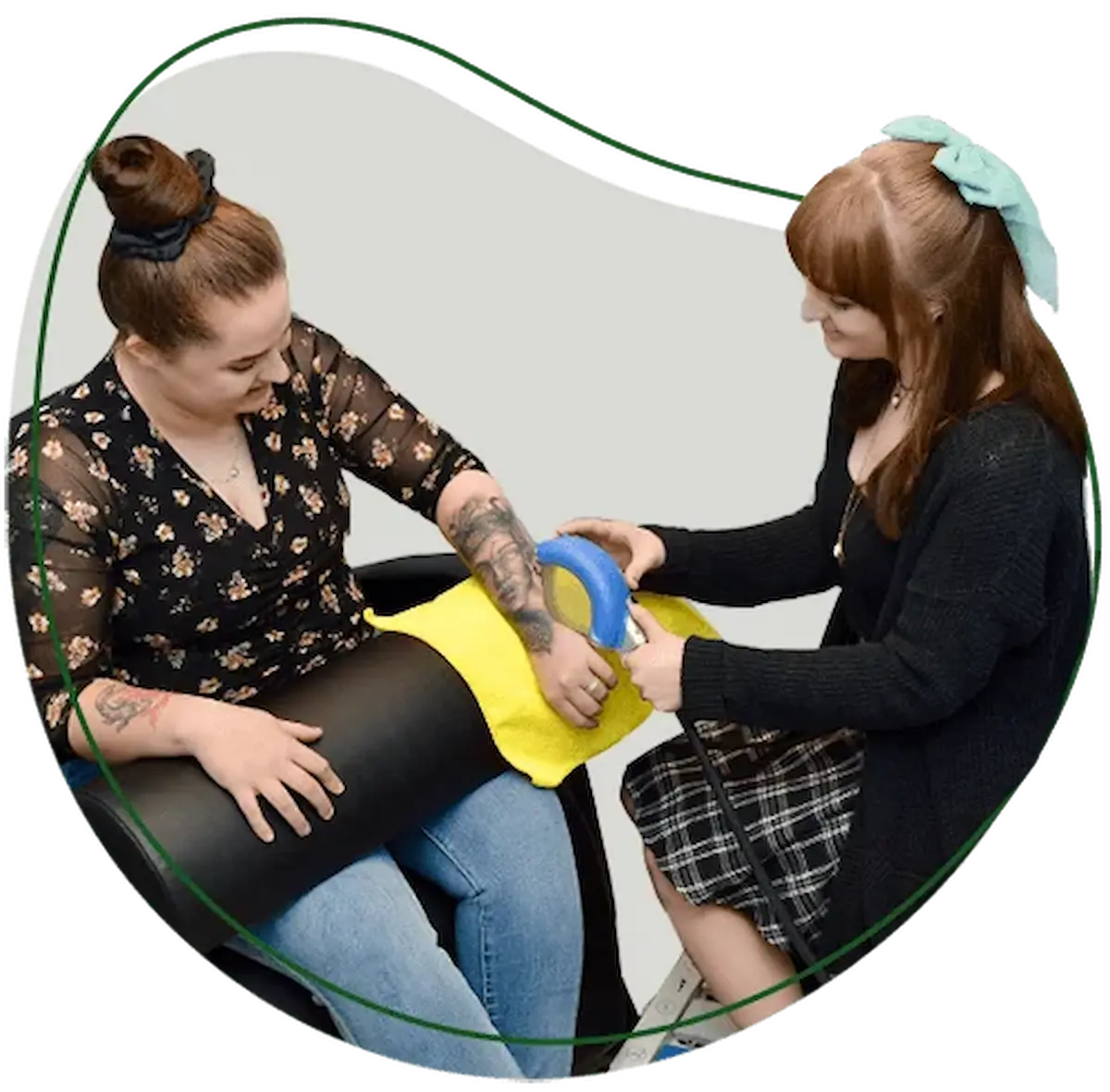
PiezoWave is a form of shockwave therapy, sometimes called acoustic wave therapy. It uses a handheld device to deliver focused sound waves into the body, precisely targeting areas of injured or painful tissue. The waves penetrate to a specific depth, concentrating their energy exactly where the problem is.
The “Piezo” part refers to the precise, piezoelectric technology that generates the waves, allowing for accurate targeting and controlled depth. Unlike some older, broader shockwave devices, PiezoWave can focus its energy on a small, specific area, which makes it well suited to pinpointing the exact source of pain.
It’s completely non-invasive. There are no needles, no incisions, and no medications involved. The treatment is done right in our Cedar Park office and takes just a few minutes per area.
How Sound Waves Actually Heal Tissue
This is the part people find most interesting. How does sending sound waves into your body actually help it heal? There are several mechanisms working together.
Stimulating Blood Flow
The acoustic waves trigger the formation of new blood vessels in the treated area, a process that increases circulation. Better blood flow means more oxygen and nutrients delivered to the injured tissue, and better removal of the waste products that accumulate in areas of chronic injury. Many stubborn injuries are stubborn precisely because they have poor blood supply, and this addresses that directly.
Triggering the Healing Response
Here’s something a little counterintuitive. The waves create a controlled micro-level stress in the tissue, which essentially wakes up the body’s healing response in an area that has become stuck. Chronic injuries often reach a kind of stalled state where the natural healing process has stopped making progress. The controlled stimulation of PiezoWave restarts that process, prompting the body to begin actively repairing the tissue again.
Breaking Down Problem Tissue
In areas with scar tissue, calcification, or chronic thickening, the acoustic waves help break down that problem tissue so the body can clear it and replace it with healthy tissue. This is particularly valuable for conditions involving calcium deposits or dense scar tissue that’s limiting movement and causing pain.
Reducing Pain Signals
The waves also affect the nerve fibers that transmit pain, helping to reduce the pain signaling from the treated area. This often provides relief fairly quickly, even as the deeper tissue healing continues over subsequent weeks.
What PiezoWave Therapy Helps With
PiezoWave is especially useful for the kinds of soft tissue and chronic conditions that tend to be slow to heal on their own. In my Cedar Park practice, I find it particularly effective for a range of stubborn problems.
It helps with chronic tendon issues, the persistent tendon pain that lingers for months. It’s useful for muscle injuries and trigger points, those tight, painful knots that won’t release. It works well for areas of scar tissue and adhesions from old injuries. And it’s valuable for various forms of chronic pain where tissue healing has stalled.
What these conditions have in common is that they often don’t fully resolve with rest and time alone, because the natural healing process has become stuck. PiezoWave is a tool for exactly those situations, giving the body the push it needs to start healing again.
What a Treatment Actually Feels Like
People are often curious about what to expect during a session. The device is applied to the skin over the treatment area, usually with a bit of gel to help transmit the waves. You’ll feel a tapping or pulsing sensation as the waves are delivered.
Some areas, especially those that are already quite tender, can feel mildly uncomfortable during treatment, but it’s generally well tolerated and brief. The intensity can be adjusted to your comfort level. Most people find it very manageable, and any tenderness afterward is typically mild and short-lived.
A single session takes only a few minutes per area. Most conditions respond best to a series of treatments over several weeks, allowing the healing response to build progressively.
Why We Combine It With Chiropractic Care
Here’s an important point about how we use PiezoWave. While it’s a powerful tool on its own, it works best as part of a complete treatment plan rather than as a standalone fix.
PiezoWave addresses the tissue-level problem, the injured tendon, the scar tissue, the stalled healing. But if there’s an underlying structural issue driving the problem, like spinal misalignment or a movement dysfunction that’s continually stressing that tissue, addressing the tissue alone won’t give lasting results. The problem will keep coming back.
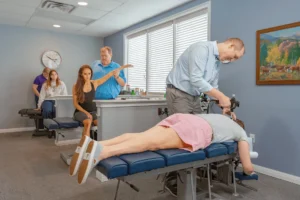
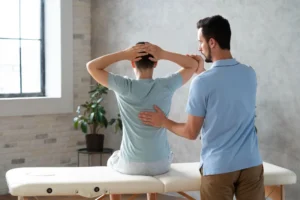
This is why we combine PiezoWave with chiropractic care. The adjustments address the structural and movement issues, while PiezoWave accelerates the healing of the affected tissue. Together, they address both the symptom and the cause, which is what produces results that actually last.
I wrote a more lighthearted introduction to shockwave therapy a while back, which you can read in my article on why shockwave therapy heals so effectively, if you want another angle on it.
Is PiezoWave Right for You?
PiezoWave is a great option for many people, particularly those dealing with chronic soft tissue injuries or pain that hasn’t responded to other treatments. But like any treatment, it’s not appropriate for everyone or every condition. Certain situations, including some circulatory conditions, and areas near certain implants, mean it’s not the right choice.
This is why a proper assessment comes first. Before recommending PiezoWave, I evaluate your specific condition to determine whether it’s a good fit and how it should be incorporated into your overall care. It’s a tool we use thoughtfully, for the situations where it genuinely helps, not a one-size-fits-all solution.
If you’ve been dealing with a stubborn injury or chronic pain that just won’t heal in Cedar Park, Leander, or North Austin, PiezoWave therapy might be part of the answer. Contact Gateway to Wellness or call (512) 250-2224 to find out whether it’s right for you.