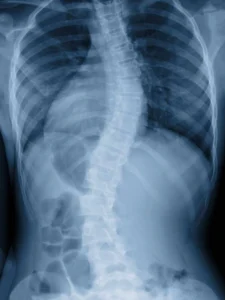

Auto accident injuries don’t just heal and disappear. Even after the initial pain fades, your body often develops compensation patterns that cause problems months or years later. At Gateway to Wellness near Leander, we address both immediate injuries and long-term mechanical changes to prevent chronic issues.
You got rear-ended at a stoplight. Or maybe someone merged into you on 183. The airbags didn’t even deploy. You walked away thinking you were fine—maybe a little sore, but fine.
Three weeks later, your neck won’t turn properly. Six months later, you’re getting headaches you never had before. A year later, your lower back starts acting up for no apparent reason.
Here’s what most people don’t realize: these aren’t separate problems. They’re all connected to that “minor” accident you thought you’d recovered from.
Why Auto Accidents Are Different
Car accidents create a unique type of injury. Even at low speeds, your body experiences forces it wasn’t designed to handle.
When you’re rear-ended, your head whips backward then forward in a fraction of a second. Your seatbelt catches your torso, but your organs keep moving forward with momentum. Your muscles tense up trying to brace against impact, but the collision happens too fast for your body to fully protect itself.
This creates injuries at multiple levels:
- Soft tissue damage to muscles, ligaments, and tendons
- Joint misalignment, especially in the spine
- Nerve irritation from the trauma
- Inflammation throughout affected areas
But here’s the part that matters most for your long-term health: your body immediately starts compensating for these injuries.
The Compensation Cascade
Let’s say you injured your neck in the accident. It hurts to turn your head left, so unconsciously, you start turning your whole torso instead. Your upper back muscles work harder to make up for your limited neck motion. Your shoulders shift forward to protect your neck.
Over weeks and months, these compensations become your new normal. Your muscles adapt. Your posture changes. Your movement patterns shift.
Eventually, the original neck injury might feel better. But now you’ve developed shoulder tension from the compensation. Your mid-back is locked up. Maybe you start getting tension headaches from the altered posture.
This is what I see constantly in our Leander practice: someone comes in for shoulder pain or chronic stiffness, and when we dig into their history, there was an auto accident two years ago that they didn’t think was “serious enough” to address.
The accident was serious enough. The injuries just took time to show their full impact.
Beyond Whiplash: The Whole Body Gets Affected
Everyone knows about whiplash from car accidents. But auto collisions affect much more than just your neck.
Low back and pelvis: When you’re sitting in a car and impact occurs, the force transmits through your seat into your lower back and pelvis. Your lumbar spine can shift out of alignment. Your sacroiliac joints (where your pelvis meets your spine) can get jammed. You might not feel it immediately because your attention is on your neck, but the damage is there.
Mid-back and ribs: The seatbelt saves your life, but it also creates point pressure across your chest and shoulder. Rib joints can get stuck. Thoracic vertebrae can misalign. This often leads to breathing restrictions or pain between the shoulder blades that develops later.
Jaw (TMJ): The impact can cause your jaw to slam shut or your teeth to grind together violently. TMJ dysfunction is incredibly common after auto accidents, though it’s often overlooked in the initial medical evaluation.
Internal soft tissues: Seatbelts can cause bruising to internal organs. While serious internal injuries usually show up immediately, minor inflammation or soft tissue damage can create ongoing digestive issues or chronic pain.
When to Seek Care After an Accident
Here’s my recommendation: get evaluated by a healthcare provider within 48-72 hours of any auto accident, even if you feel fine.
Adrenaline masks pain. Your body goes into fight-or-flight mode during a collision, pumping out hormones that suppress pain signals. By the time the adrenaline wears off—often 24-48 hours later—injuries have already started setting inflammatory patterns and creating compensations.
See a medical doctor first if you have:
- Loss of consciousness
- Severe pain
- Visible injuries or bleeding
- Difficulty breathing
- Abdominal pain
- Numbness or tingling in extremities
- Confusion or disorientation
These symptoms need immediate medical evaluation to rule out serious injuries like fractures, internal bleeding, or concussion.
But even if you don’t have any of those red flags, still get checked by a chiropractor or other musculoskeletal specialist within that first week. We can identify misalignments and soft tissue injuries before they become chronic problems.
How We Evaluate Auto Accident Injuries
When someone comes to Gateway to Wellness after a car accident, we take a thorough approach.
First, we want to know everything about the collision. What direction did the impact come from? How fast were the vehicles going? Did the airbags deploy? Were you braced for impact or caught off guard? Where were you looking when it happened?
These details help us predict what injuries likely occurred—even if you’re not feeling symptoms in those areas yet.
Then we do a comprehensive physical examination. We check your entire spine, not just where it hurts. We assess your posture and how you’re moving (or not moving). We test range of motion in your neck, back, shoulders, and hips. We palpate for areas of muscle tension, inflammation, or misalignment.
We also take time to understand your medical history and any previous injuries. If you hurt your left knee playing sports in high school, and now you’ve been in an accident that jarred your whole body, that old knee injury becomes relevant. Your body might compensate around it differently than someone without that history.
Our Treatment Approach
Auto accident recovery requires a different approach than treating other conditions.
In the first few days after an accident, inflammation is high and tissues are fragile. We use very gentle techniques—maybe just ice, gentle mobilization, and rest recommendations. This isn’t the time for aggressive treatment.
As inflammation settles over the first 1-2 weeks, we begin addressing the misalignments created by the accident. Gentle adjustments restore proper position to your spine and other joints. This takes pressure off nerves and allows your body to heal in correct alignment rather than compensating around injuries.
We also work on soft tissue healing—releasing muscle tension, breaking up scar tissue formation, improving blood flow to injured areas. For some patients, shockwave therapy can accelerate healing in stubborn soft tissue injuries.
The timeline varies. Some people feel significantly better within 2-3 weeks. Others need several months of care to fully recover, especially if the accident was more severe or if they have previous injuries complicating recovery.
Why Some People Never Fully Recover (And How to Avoid That)
I’ve seen two groups of auto accident patients: those who recover completely and those who develop chronic problems that last for years.
The difference usually comes down to whether they addressed the full scope of injuries early on.
If you just take pain medication for a few weeks and then assume you’re fine because the acute pain went away, you’re likely setting yourself up for chronic issues. The inflammation might have settled, but the misalignments are still there. The compensations are still there. The altered movement patterns are still there.
Six months later, those problems surface as “new” pain that seems unrelated to the accident. But it’s not new—it’s just the delayed consequence of incomplete healing.
That’s why I’m so passionate about thorough evaluation and treatment after auto accidents. The time to prevent chronic problems is in those first few weeks and months after the collision.
Working With Insurance After an Accident

One thing that holds people back from seeking care is concern about cost. But here’s what you should know: if you were injured in an auto accident, your auto insurance policy likely covers chiropractic care under personal injury protection (PIP) or medical payments coverage.
We work with auto insurance regularly at our Leander practice. We can help you understand your coverage and handle the necessary paperwork.
Don’t let insurance concerns prevent you from getting evaluated and treated. Untreated auto accident injuries cost far more in the long run—both financially and in terms of your quality of life.
The Long-Term Picture
Auto accident recovery isn’t just about getting out of pain. It’s about restoring proper function so your body doesn’t develop chronic compensation patterns.
When we successfully treat auto accident injuries, patients tell us:
- They have better range of motion than before the accident
- Chronic issues they’d been living with (that were actually old compensations) have resolved
- They sleep better
- They have more energy
- They feel more resilient
That’s because we’re not just patching up the new injury—we’re correcting the compensations that may have existed for years before the accident even happened.
Prevention and Maintenance
Once you’ve recovered from your auto accident injuries, the question becomes: how do you stay healthy?
Regular chiropractic care helps maintain the proper alignment we’ve worked to restore. If you go back to sitting at a desk all day with poor posture, those misalignments will creep back.
Staying active is crucial. Gentle movement and appropriate exercise keep your muscles strong and your joints mobile. But “appropriate” is key—jumping back into intense workouts too soon can re-injure healing tissues.
Pay attention to your body. If you notice new pain or stiffness developing weeks or months after your accident, don’t ignore it. That’s often the compensation cascade showing up. Addressing it early prevents it from becoming chronic.
You Deserve Complete Recovery
Auto accidents are stressful enough without dealing with ongoing pain and limitation afterward. Whether you were in a fender-bender on the way to work or a more serious collision on 183, you deserve care that addresses all the injuries—not just the obvious ones.
At Gateway to Wellness, we’ve helped countless Leander residents recover completely from auto accident injuries by taking a whole-body approach. We don’t just treat your whiplash. We look at how the accident affected your entire musculoskeletal system and correct it comprehensively.
You shouldn’t have to live with chronic pain or limitation because of an accident that happened months or years ago. Real recovery is possible when you address both the immediate injuries and the long-term compensation patterns they create.
If you’ve been in an auto accident—whether it was recent or years ago—and you’re dealing with pain or limited mobility, schedule a consultation with Dr. Jon at Gateway to Wellness or call (512) 250-2224. Let’s make sure you recover completely.