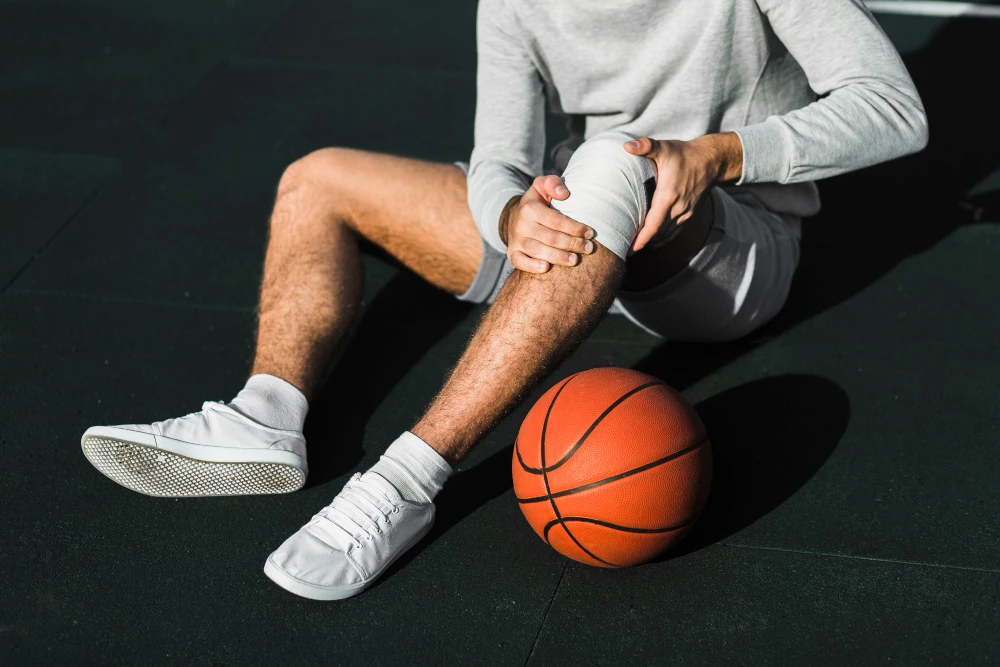
Returning to sport before a sports injury has properly healed is the single most common mistake I see athletes make in Cedar Park — and it almost always results in a longer total recovery than if they’d been patient in the first place. The pressure to get back, whether from a coach, a season timeline, or simply the frustration of sitting out, is real. But an incomplete recovery creates a vulnerability that the next training session, game, or race will find.
Why Athletes Are Especially Prone to Rushing
Athletes are wired differently from the average patient. The same drive, pain tolerance, and competitive instinct that makes someone good at their sport also makes them terrible at resting an injury. In my experience treating athletes throughout Cedar Park and Leander, the most driven players are often the hardest to slow down — and the ones most likely to re-injure themselves within weeks of returning.
There’s also a perception problem. Pain reduction is not the same as tissue healing. Most soft tissue sports injuries — muscle strains, ligament sprains, tendon irritation — feel significantly better well before the tissue has regained its full strength and integrity. The inflammatory phase resolves, the acute pain settles, and the athlete feels ready. But the structural repair is still incomplete, and the neuromuscular control that protects the joint hasn’t been fully restored.
That gap between feeling better and being ready is where re-injuries happen.
What Proper Sports Injury Recovery Actually Involves
True sports injury recovery isn’t just rest followed by a gradual return to activity. It involves several distinct phases, each of which serves a specific purpose — and skipping any of them creates a weak link in the chain.
Acute Phase: Protect and Reduce Inflammation
In the first 48 to 72 hours after an injury, the priority is protecting the damaged tissue and managing the inflammatory response. This doesn’t mean complete immobilization in most cases — gentle, pain-free movement maintains circulation and prevents the stiffness that comes with full rest — but it does mean keeping load off the injured structure.
At Gateway to Wellness, we use laser therapy and PiezoWave shockwave therapy during this phase to reduce inflammation at the cellular level and support the early stages of tissue repair. Starting this process early consistently shortens the overall recovery timeline.
Repair Phase: Restore Movement and Tissue Quality
As acute inflammation settles, the focus shifts to restoring normal joint movement, addressing the muscle imbalances that developed around the injury, and improving the quality of the healing tissue. Scar tissue that forms during repair is initially disorganized and less resilient than the original tissue — targeted manual work and specific loading helps organize it into stronger, more functional tissue rather than leaving it as a long-term vulnerability.
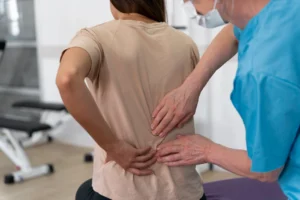
This is also where chiropractic adjustments play an important role. Sports injuries rarely affect just the injured site — the body compensates upstream and downstream, creating joint restrictions and muscle guarding throughout the kinetic chain. A hamstring strain alters how the hip and lumbar spine move. An ankle sprain changes how load travels through the knee and pelvis. Addressing those secondary compensations as part of recovery prevents them from becoming chronic problems that outlast the original injury.
Functional Phase: Rebuild Strength and Control
Before returning to sport, the athlete needs to demonstrate that the injured area has recovered not just its pain-free range of motion but its strength, power, and — critically — its neuromuscular control. Proprioception — the joint’s ability to sense its position and respond quickly to perturbation — is consistently impaired after injury and often the last thing to fully recover.
It’s also the thing most commonly skipped. Athletes who return to sport with good strength but impaired proprioception are at significantly elevated re-injury risk, because their protective reflexes aren’t fully operational. Specific neuromuscular training as part of the return-to-sport protocol addresses this gap directly.
The Cost of Returning Too Soon
The math on rushing back almost never works in the athlete’s favor. A hamstring strain that would have resolved in three to four weeks with proper management becomes a chronic recurring problem over six months when the athlete returns at 70% and re-strains it twice. A shoulder injury that needs six weeks of proper rehab becomes a season-ending issue when it’s aggravated back into an acute state two weeks in.
Beyond the physical cost, there’s a performance cost. Athletes who return before full recovery compensate in ways that limit their output. They protect the injured side, alter their mechanics, and never quite get back to where they were — not because the injury was that serious, but because the recovery wasn’t completed properly.
How We Approach Sports Injury Recovery at Gateway to Wellness
Our sports rehabilitation approach is built around getting athletes back to full performance, not just getting them out of pain. Those are different goals, and they require different endpoints.
The initial assessment establishes a clear baseline: what’s injured, how severely, what functional deficits are present, and what the athlete’s specific sport demands require for safe return. From there, I build a phased plan with objective milestones at each stage — not just “how does it feel” but measurable strength, range of motion, and functional movement benchmarks that tell us when each phase is genuinely complete.
I also have honest conversations with athletes about timeline. I’d rather give someone a realistic four-week plan that gets them back at 100% than a two-week plan that gets them back at 80% and sets them up for re-injury. Most athletes, when they understand the reasoning, are willing to do this right — they just need someone to explain why it matters and what proper recovery actually looks like.
Injury Prevention: The Other Side of the Conversation
For athletes who haven’t been injured recently, sports-focused chiropractic care is one of the most effective injury prevention tools available. Regular assessment identifies the movement asymmetries, joint restrictions, and muscle imbalances that are most likely to produce injury under training load — before they actually do.
Cedar Park and Leander have a strong athletic community, and I see a lot of serious recreational athletes who invest significantly in their training but treat their body as an afterthought. Spinal alignment, joint mobility, and neuromuscular balance are as much a part of athletic performance and durability as the training itself.
If you’re recovering from a sports injury in Cedar Park or want to stay ahead of one, we’d like to help. Contact Gateway to Wellness or call (512) 250-2224 to schedule your evaluation.