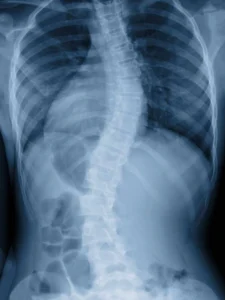

Hip pain often stems from compensation patterns your body developed months or years ago. At Gateway to Wellness Chiropractic in Cedar Park, we examine your entire body to find what’s really causing your discomfort—because treating only the hip itself rarely solves the problem for good.
Your hips are the foundation of almost every movement you make. Walking, sitting, bending over to pick up your kids, even standing still—your hips are constantly working to keep you balanced and mobile. So when hip pain shows up, it doesn’t just hurt. It changes everything.
But here’s what most people don’t realize: hip pain rarely starts in the hip.
Why Does My Hip Hurt?
In my 15+ years practicing in Cedar Park, I’ve seen this pattern repeatedly. Someone comes in complaining about hip pain that showed up “out of nowhere.” But when we dig into their health history, we find an old knee injury from high school sports. Or a car accident three years ago. Or maybe they’ve been sitting at a desk for the last decade with their wallet in their back pocket, tilting their pelvis slightly to one side every single day.
Your body is brilliant at compensating. When one area gets injured or stressed, other parts pick up the slack. You might not even notice it happening. That old ankle sprain? Your body learned to shift weight differently. That lower back pain that comes and goes? Your hips have been working overtime to stabilize you.
Over time, these compensations add up. The hip joint gets overworked. Muscles get tight and imbalanced. And eventually, pain shows up.
Common Causes We See
Hip pain can develop from several sources, and they’re often interconnected:
Past injuries that never fully healed. Even if the original injury stopped hurting, your movement patterns may have changed permanently. Your body remembers the injury and continues compensating for it.
Poor posture from sedentary work. If you spend most of your day sitting—especially with poor posture—your hip flexors get tight, your glutes get weak, and your pelvis shifts out of alignment. This creates a perfect storm for hip pain.
Muscle imbalances. When some muscles are too tight and others are too weak, your hip joint doesn’t track properly. This can happen from sports injuries, repetitive movements, or simply favoring one side of your body over time.
Spinal misalignment. Your spine and hips are intimately connected. If your lower back or pelvis is out of alignment, your hips will compensate. We often see patients whose hip pain is actually coming from sciatica or a herniated disc.
Inflammation from lifestyle factors. Poor nutrition, inadequate sleep, and chronic stress all contribute to inflammation throughout your body—including your hip joints.
What Hip Pain Actually Feels Like
Hip pain shows up differently for different people. Some describe a deep ache in the groin or outer hip. Others feel sharp pain when they stand up after sitting for a while. You might notice:
- Stiffness first thing in the morning
- Pain that radiates down your thigh
- Difficulty putting on shoes or socks
- Limping without meaning to
- Trouble sleeping on the affected side
- A clicking or popping sensation with movement
The location of your pain tells us a lot about what’s going on. Front hip pain often relates to hip flexor tightness or labral issues. Pain on the outside of your hip usually points to bursitis or IT band problems. Deep groin pain might indicate joint issues or referred pain from your lower back.
How We Find the Real Problem
At Gateway to Wellness, we don’t just ask where it hurts. We want to know your whole story.
During your first visit, we’ll talk through your health history—past injuries, current activities, how you spend your workday, even how you sleep. Then we do a comprehensive physical assessment. We check your posture, test your range of motion, and examine how different parts of your body are working together (or not working together).
We use sophisticated orthopaedic testing to pinpoint exactly what’s happening. Is the pain coming from your hip joint itself? From tight muscles pulling things out of place? From nerve irritation in your spine? From compensation patterns you’ve developed over years?
This whole-body approach is what sets chiropractic care apart. We’re not just treating your hip in isolation. We’re looking at how your entire musculoskeletal system functions as a unit.
How Chiropractic Care Helps Hip Pain
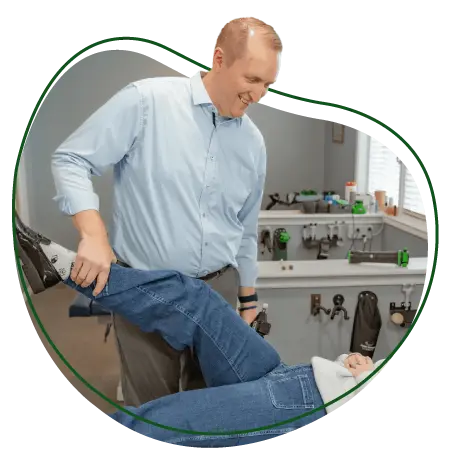
Once we understand what’s causing your hip pain, we can address it at the source.
Chiropractic adjustments realign your pelvis and lower spine, which often takes immediate pressure off your hip joint. When your body is in proper alignment, it doesn’t have to compensate anymore. Your muscles can relax. Your joints can move the way they’re designed to move.
But adjustments are just part of the picture. We also work on the soft tissues—muscles, tendons, and ligaments—that have been compensating for so long. Tight hip flexors need to be released. Weak glutes need to be activated. Imbalanced movement patterns need to be corrected.
For some patients, we also use PiezoWave therapy to stimulate healing in chronic hip issues. This non-invasive shockwave treatment can break up scar tissue, reduce inflammation, and promote better blood flow to the area.
The goal isn’t just to make your hip feel better today. It’s to restore proper function so the pain doesn’t keep coming back.
What About Arthritis?
I hear this concern regularly: “But my doctor said I have arthritis in my hip. Can you even help with that?”
Here’s the truth. Arthritis means there’s wear and tear on the joint. We can’t reverse that damage. But many people with hip arthritis have significantly worse pain than the arthritis alone would cause—because their body is compensating poorly and creating additional stress on an already compromised joint.
By improving alignment, reducing muscle tension, and optimizing how your body moves, we can often help people with arthritis experience much less pain and better mobility. It’s about working with what your body can do, not against what it can’t change.
When Should You See Someone About Hip Pain?
Some hip pain is mild and temporary. Maybe you overdid it at the gym or spent too long in the yard. That kind of pain usually resolves with rest.
But if your hip pain is sticking around, getting worse, or interfering with your daily life, it’s time to get evaluated. Don’t wait until you can barely walk or you’ve been limping for months.
And definitely seek medical attention right away if you experience sudden severe hip pain after a fall, can’t put any weight on your leg, see visible deformity, or have signs of infection like fever along with hip pain.
For most chronic hip pain, though, the issue isn’t a medical emergency. It’s a mechanical problem that’s been building over time—and that’s exactly what we’re trained to address.
What to Expect During Treatment
When you come to our office in Cedar Park, you’re not just a hip that needs fixing. You’re part of the Gateway to Wellness family.
Your first visit involves that comprehensive assessment I mentioned earlier. Once we understand what’s going on, we’ll explain it to you in plain language. No confusing medical jargon. We’ll show you exactly what we found and how we think we can help.
Treatment plans are different for everyone because everyone’s body is different. Some patients feel significant relief after just a few adjustments. Others need more time to undo years of compensation patterns. We’ll be honest with you about what to expect.
Most people notice improvements fairly quickly—better range of motion, less pain with certain movements, more comfortable sleep. But the real healing happens over time as your body learns to function properly again.
Can You Prevent Hip Pain?
Once we’ve gotten your hip pain under control, the next question is: how do you keep it from coming back?
This is where the “stay well” part of our philosophy comes in. Regular chiropractic care helps maintain proper alignment before small issues turn into big problems. But there are other things you can do too:
Stay active, but mix it up. Walking, swimming, and gentle stretching are all great for hip health. Avoid doing the same repetitive movements day after day without balancing them out.
Pay attention to your posture. If you sit a lot for work, take breaks every hour to stand and move around. Consider a standing desk if possible.
Strengthen your core and glutes. These muscles support your hips and spine. When they’re strong, your hips don’t have to work as hard.
Address small problems before they become big ones. If you notice stiffness or minor discomfort starting to creep in, don’t ignore it. That’s your body telling you something is off.
Living in Cedar Park with Hip Pain
Cedar Park is a wonderful place to live—but only if you can actually enjoy it. Whether you’re hiking the trails at Brushy Creek, playing with your kids at the park, or just trying to make it through your workday without wincing every time you stand up, hip pain gets in the way.
You shouldn’t have to accept pain as a normal part of life. And you definitely shouldn’t have to choose between the activities you love and managing your symptoms.
At Gateway to Wellness, we help people get back to living the way they want to live. Not just functioning. Actually thriving.
If you’ve been dealing with hip pain and you’re tired of temporary fixes that don’t last, maybe it’s time to look at what’s really going on. Let us examine your whole body, find the root cause, and create a plan that actually addresses it.
Ready to find out what’s really causing your hip pain? Schedule a consultation with Dr. Jon at Gateway to Wellness or call (512) 250-2224. We’d love to welcome you to our family.