

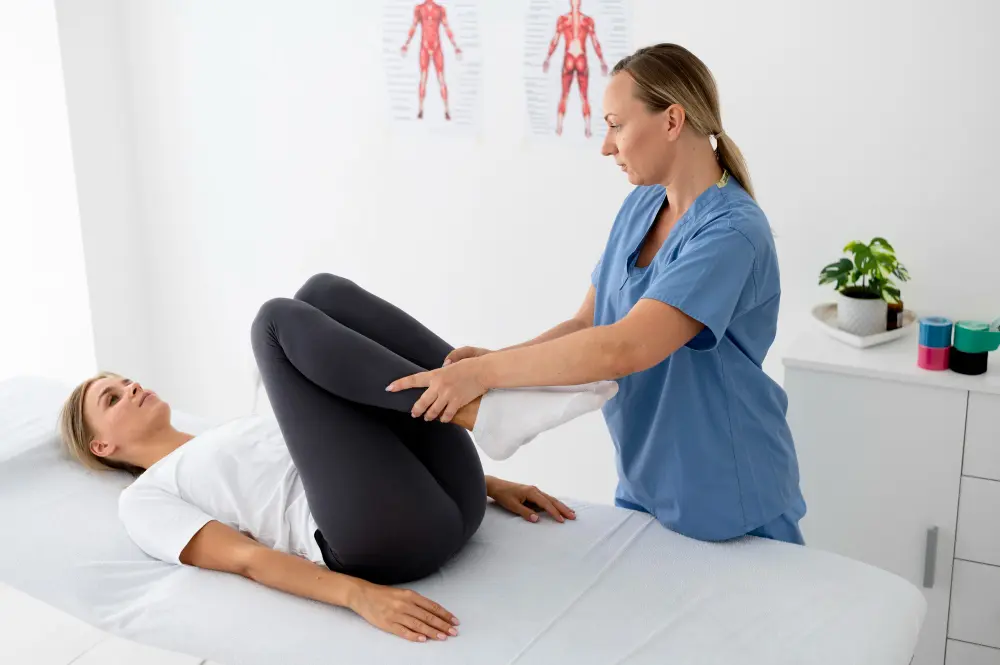
Knee pain is one of the most common complaints among adults, affecting millions of people regardless of age or activity level. Whether you’re an athlete, a weekend warrior, or someone who simply wants to enjoy daily activities without discomfort, finding effective knee pain relief is essential to maintaining your quality of life. At our Cedar Park chiropractic clinic, we understand that knee pain can be debilitating, and we’re committed to helping you regain your mobility through comprehensive, non-invasive care.
Many people don’t realize that chiropractors can effectively address knee problems. While chiropractic care is often associated with back and neck pain, the truth is that chiropractors are trained to treat the entire musculoskeletal system, including the knees. By taking a holistic approach that examines how your spine, hips, and lower extremities work together, chiropractic treatment for knee pain offers a path to lasting relief without relying solely on medications or surgery.
What is Knee Pain?
Knee pain refers to any discomfort, aching, or soreness in or around the knee joint. This pain can range from a mild annoyance to severe, debilitating discomfort that interferes with walking, standing, or even resting. The knee is the largest joint in your body and bears significant weight during everyday activities, making it particularly susceptible to injury and degenerative conditions.
Anatomy of the Knee Joint
The knee is a complex hinge joint where the thighbone (femur), shinbone (tibia), and kneecap (patella) meet. These bones are connected by ligaments that provide stability, while cartilage cushions the joint and allows for smooth movement. Tendons connect muscles to bones, and fluid-filled sacs called bursae reduce friction between moving parts. Understanding this intricate anatomy helps explain why knee problems can arise from various sources.
Common Causes of Knee Pain
Knee pain can stem from numerous factors, ranging from acute injuries to chronic conditions that develop over time. Identifying the underlying cause is crucial for developing an effective treatment plan that addresses your specific needs.
Osteoarthritis and Degeneration
Osteoarthritis is a degenerative joint disease where the protective cartilage that cushions the knee joint gradually breaks down. This wear-and-tear condition is particularly common in older adults but can affect anyone with a history of knee injuries. Can a chiropractor help with arthritis in the knee? Absolutely, chiropractic care can improve joint mobility and reduce inflammation associated with arthritis.
Injuries and Trauma (ACL tears, meniscus injuries)
Acute injuries are among the most common causes of knee pain, especially in active individuals. Torn ligaments like the anterior cruciate ligament (ACL), meniscus tears, and other traumatic injuries can cause immediate pain and swelling. While severe tears may require surgical intervention, many knee injuries respond well to conservative chiropractic treatment.
Overuse and Repetitive Stress Injuries
Repetitive movements and overuse can lead to conditions like runner’s knee, jumper’s knee, and tendonitis. These injuries develop gradually when repetitive stress overwhelms the knee’s ability to repair itself. Athletes and people with physically demanding jobs are particularly vulnerable to these types of injuries.
Inflammation and Bursitis
Can a chiropractor help with bursitis? Yes, chiropractic care can be highly effective for inflammatory conditions. Bursitis occurs when the small fluid-filled sacs that cushion the knee joint become inflamed, causing pain and stiffness. Similarly, can a chiropractor help with tendonitis? Chiropractors use various techniques to reduce inflammation and promote healing in inflamed tendons around the knee.

Symptoms and Impact of Knee Pain
Recognizing the symptoms of knee problems early can help you seek treatment before minor issues become chronic conditions. Understanding how knee pain affects your daily life also underscores the importance of finding effective relief.
Common Symptoms to Watch For
Knee pain manifests differently depending on the underlying cause. Common symptoms include swelling and inflammation around the joint, stiffness that’s worse in the morning or after sitting, a grinding or clicking sensation during movement, instability or a feeling that the knee might “give out,” reduced range of motion, and difficulty bearing weight on the affected leg. Some people also experience knee pain after chiropractic adjustment in other areas, which typically indicates that the body is compensating for misalignments elsewhere in the kinetic chain. If you’re experiencing any of these symptoms, a knee chiropractor can evaluate your condition and develop an appropriate treatment plan.
How Knee Pain Affects Daily Life and Mobility
The impact of knee pain extends far beyond physical discomfort. Simple activities like climbing stairs, getting in and out of chairs, or walking become challenging and painful. Many people find their sleep disrupted by knee discomfort, and chronic pain can lead to decreased activity levels, weight gain, and even depression. For athletes, knee pain can sideline you from sports you love, as discussed in our article on improving your sports performance. The good news is that effective knee pain relief can restore your mobility and help you reclaim your active lifestyle.
Chiropractic Care for Knee Pain: A Holistic Approach
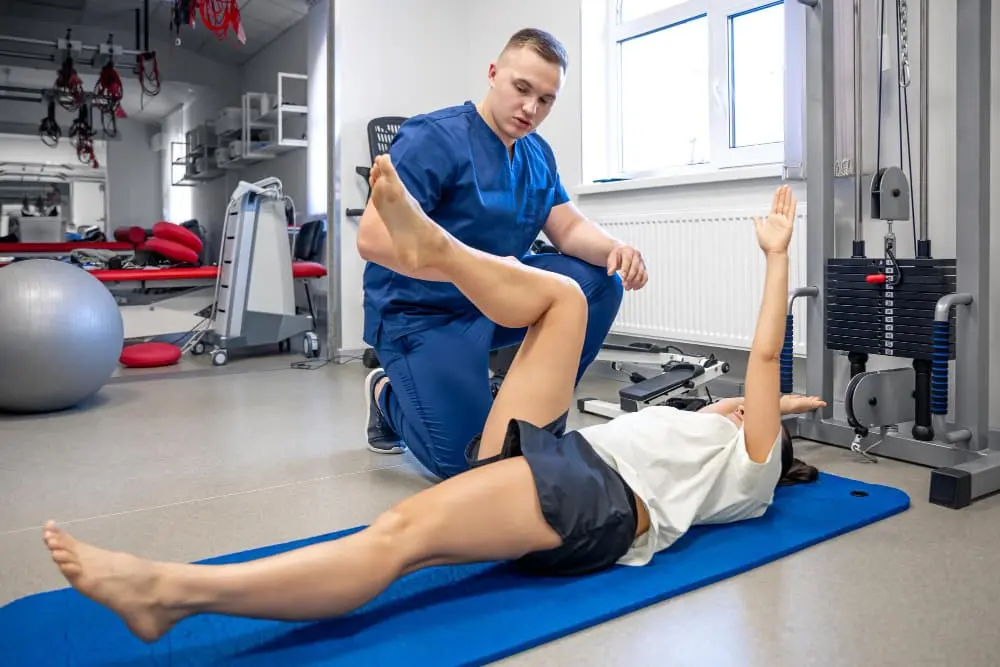
So, can a chiropractor help with knee pain? The answer is a resounding yes. Chiropractic care for knee pain takes a comprehensive approach that addresses not just the knee itself, but the entire lower kinetic chain, including your spine, hips, and ankles. This holistic perspective is what sets chiropractic treatment apart from conventional approaches that may focus solely on the painful area.
How Chiropractors Diagnose Knee Pain
Proper diagnosis is the foundation of effective treatment. Chiropractors use a combination of clinical examination, patient history, and diagnostic tools to understand the root cause of your knee pain.
Evaluating the Knee, Spine, and Posture
Your initial consultation begins with a thorough examination that goes beyond just looking at your knee. A chiropractor for knee pain will assess your gait, posture, and spinal alignment to identify any biomechanical issues that might be contributing to your knee problems. Misalignments in the spine or pelvis can alter how you walk and stand, placing abnormal stress on the knees. By evaluating the entire musculoskeletal system, chiropractors can identify compensatory patterns that perpetuate knee pain.
Use of Diagnostic Tools (e.g., Ultrasound, X-ray)
When necessary, chiropractors may use diagnostic imaging such as X-rays to rule out fractures or assess degenerative changes. Advanced modalities like diagnostic ultrasound can visualize soft tissue injuries, inflammation, and fluid accumulation around the knee joint. These tools help create a complete picture of your condition and guide treatment decisions.
Treatment Techniques Used by Chiropractors
Chiropractic treatment for knee pain encompasses various evidence-based techniques designed to reduce pain, improve function, and promote healing. Many people wonder if the chiropractor hurts, but most patients find treatments comfortable and even relieving.
Spinal and Knee Joint Adjustments
Chiropractic knee adjustment involves gentle manipulation to restore proper joint mechanics and alignment. When your knee joint isn’t moving correctly, surrounding muscles compensate, leading to pain and dysfunction. Adjustments help restore normal joint motion, reduce irritation to surrounding tissues, and improve overall function. Additionally, adjusting misalignments in the spine and pelvis can reduce stress on the knees, addressing the root cause rather than just symptoms.
Soft Tissue Therapy and Myofascial Release
Tight muscles and fascial restrictions around the knee can contribute significantly to pain and limited mobility. Chiropractors use techniques like myofascial release, trigger point therapy, and massage to relax tight tissues, improve circulation, and promote healing. These hands-on therapies complement joint adjustments and are particularly effective for addressing muscle imbalances that contribute to knee problems.
Ultrasound and Electrotherapy Modalities
Therapeutic ultrasound delivers deep-heating effects that increase blood flow and accelerate tissue healing. Electrotherapy modalities like TENS units can provide pain relief by interrupting pain signals. For advanced cases, shockwave therapy offers remarkable healing benefits for chronic knee conditions.
Therapeutic Exercises and Rehabilitation Plans
Strengthening exercises targeting the quadriceps, hamstrings, and hip muscles help stabilize the knee joint and prevent future injuries. Your chiropractor will design a customized rehabilitation plan that progressively builds strength and improves flexibility, empowering you to take an active role in your recovery.
Lifestyle and Ergonomic Advice to Support Recovery
Beyond in-office treatments, your chiropractor will provide guidance on lifestyle modifications that support healing. This might include advice on proper footwear, weight management strategies, activity modification during recovery, and ergonomic adjustments at work or home. These recommendations help optimize your treatment results and prevent recurrence. If you have questions about what to expect, check out our guide on questions to ask your chiropractor.
Benefits of Chiropractic Care for Knee Pain
Choosing chiropractic care for knee problems offers numerous advantages over conventional treatment approaches. Understanding these benefits can help you make an informed decision about your healthcare.
Pain Relief without Medication or Surgery
One of the most significant advantages of chiropractic care is that it provides effective pain relief without relying on medications or invasive procedures. This is particularly important given the risks associated with long-term pain medication use and the complications that can arise from surgery. Before considering surgical options, learn more about what no one tells you before knee surgery.
Reduction of Inflammation and Muscle Spasms
Chiropractic techniques help reduce inflammation naturally by improving circulation and lymphatic drainage. Joint adjustments and soft tissue therapies also help relax muscle spasms that often accompany knee pain. By addressing inflammation and muscle tension, chiropractic care tackles two major contributors to knee discomfort simultaneously.
Improved Joint Function and Mobility
Do chiropractors help knee pain by improving how the joint moves? Absolutely. Restoring proper joint mechanics through adjustments and mobilization techniques allows for smoother, pain-free movement. Many patients notice improved flexibility and range of motion after just a few sessions, making daily activities easier and more comfortable.
Strengthening of Supporting Muscles for Long-Term Stability
A key component of chiropractic knee pain treatment is strengthening the muscles that support and stabilize the knee joint. Strong quadriceps, hamstrings, and hip muscles reduce stress on the knee itself, providing natural support that protects against future injuries. This focus on building strength creates lasting results beyond temporary pain relief.
Prevention of Future Knee Problems
By addressing biomechanical issues and teaching proper movement patterns, chiropractic care helps prevent future knee problems. Regular maintenance care can keep your knees healthy and functioning optimally for years to come.
What to Expect During Your Chiropractic Visit in Cedar Park
If you’re considering seeing a knee chiropractor near me, knowing what to expect can help you feel more comfortable and prepared for your first visit.
Initial Consultation and Assessment
Your first appointment will include a comprehensive consultation where your chiropractor discusses your symptoms, medical history, and treatment goals. The physical examination will assess your knee, spine, posture, and gait. This thorough evaluation ensures your chiropractor understands your unique situation and can design the most effective treatment approach. To address common concerns, you might want to read about busting common myths about chiropractic care.
Customized Treatment Plan Creation
Based on your examination findings, your chiropractor will develop a personalized treatment plan tailored to your specific needs. This plan will outline recommended treatments, expected frequency of visits, and goals for your recovery. Your chiropractor will explain each aspect of the plan and answer any questions you might have.
Ongoing Care and Progress Monitoring
As you progress through treatment, your chiropractor will regularly reassess your condition and adjust your treatment plan as needed. This ensures you’re getting optimal results and allows for modifications based on how your body responds to care.
Who Should Consider Chiropractic Care for Knee Pain?
Chiropractic treatment can benefit a wide range of people experiencing knee problems, but understanding who makes an ideal candidate helps set appropriate expectations.
Ideal Candidates for Chiropractic Treatment
Can chiropractors help with knee pain for everyone? Most people with knee pain can benefit from chiropractic care, including those with osteoarthritis, sports injuries, overuse conditions, post-surgical rehabilitation needs, and chronic knee pain that hasn’t responded to other conservative treatments. Learn more about chiropractic benefits for everyone on our website. Whether you’re searching for the best chiropractor for knee pain or simply wondering if chiropractic is right for you, a consultation can help determine if you’re a good candidate.
When to Seek Immediate Medical Attention
While chiropractic care is effective for most knee conditions, some situations require immediate medical attention. Seek emergency care if you experience severe pain following a traumatic injury, visible deformity of the knee, inability to bear any weight on the leg, signs of infection such as fever, warmth, and severe swelling, or sudden onset of intense pain with no apparent cause.
Conclusion: Regain Your Mobility and Live Pain-Free
Knee pain doesn’t have to control your life. With comprehensive chiropractic care, you can find effective, natural relief that addresses the root causes of your discomfort rather than just masking symptoms. The combination of joint adjustments, soft tissue therapy, rehabilitation exercises, and lifestyle guidance provides a powerful approach to healing that empowers you to take control of your health.
Take the First Step: Schedule Your Consultation Today
If you’re ready to explore how chiropractic care can help with your knee pain, we invite you to schedule a consultation at our Cedar Park clinic. Our experienced team is dedicated to helping you achieve lasting knee pain relief through personalized, compassionate care. Don’t let knee pain sideline you from the activities you love, take the first step toward recovery today. Whether you’re dealing with arthritis, a sports injury, or chronic pain that’s held you back, we’re here to help you move better, feel better, and live better. Contact us to learn more about how we can support your journey to optimal knee health and overall wellness.
Frequently Asked Questions (FAQs) About Knee Pain and Chiropractic Care
Does chiropractic work for knee pain?
Yes, chiropractic care is an effective, non-invasive treatment option for knee pain. Chiropractors assess the alignment and function of your spine, hips, and knee joints to identify the root causes of pain. Through adjustments, soft tissue therapy, and rehabilitation exercises, chiropractic care can reduce inflammation, improve joint mobility, and promote natural healing, offering lasting relief without medication or surgery.
What is the best therapy for knee pain?
The best therapy depends on the underlying cause, but chiropractic care offers a comprehensive approach that addresses both symptoms and root causes of knee pain. Combining spinal and joint adjustments with muscle therapy and personalized exercise programs, chiropractic treatment restores proper alignment and strengthens supportive muscles, making it an excellent choice for many types of knee issues.
Can being out of alignment cause knee pain?
Yes, misalignment in your spine, hips, or legs can affect the way weight and pressure are distributed across your knees, leading to pain and discomfort. Chiropractic adjustments help correct these misalignments to restore balance, reduce strain, and prevent further joint damage.
How do you know if your knee pain comes from your spine?
If your knee pain is accompanied by symptoms such as lower back pain, hip discomfort, or numbness and tingling down the leg, it may be related to spinal issues. Chiropractors perform detailed assessments to determine if spinal misalignment or nerve irritation is contributing to knee pain and tailor treatments accordingly.
What is the #1 mistake that makes bad knees worse?
Ignoring proper alignment and muscle imbalances is a common mistake that worsens knee problems. Without addressing underlying issues like poor posture or weak supporting muscles, knee pain can become chronic. Chiropractic care focuses on correcting these imbalances to protect and strengthen the knees over time.
Why do doctors discourage chiropractors?
While some traditional medical professionals may have concerns, many recognize chiropractic care as a safe and effective complementary treatment for musculoskeletal conditions. Chiropractors are trained professionals who use evidence-based techniques to improve joint function and overall health, often avoiding the need for invasive procedures.
What does a misaligned knee feel like?
A misaligned knee may cause feelings of instability, clicking or popping sensations, and uneven pain around the joint. You might also experience swelling and difficulty fully bending or straightening the knee. Chiropractic evaluation can identify alignment issues and offer targeted treatments to restore proper knee function.
How to tell if knee pain is meniscus or ligament?
Meniscus injuries typically cause sharp pain, swelling, and difficulty moving the knee, often after twisting motions. Ligament injuries, like ACL tears, usually result in instability and a sensation of the knee giving way. A chiropractor or healthcare professional can perform physical exams and imaging to diagnose the specific injury and recommend appropriate care.
How do you pop your knee back into alignment?
Self-manipulating your knee is not recommended as it can cause further injury. Chiropractors use precise, controlled adjustments to safely restore knee alignment and joint mobility. If you feel your knee is out of place or painful, seek professional chiropractic evaluation rather than attempting to pop it yourself.